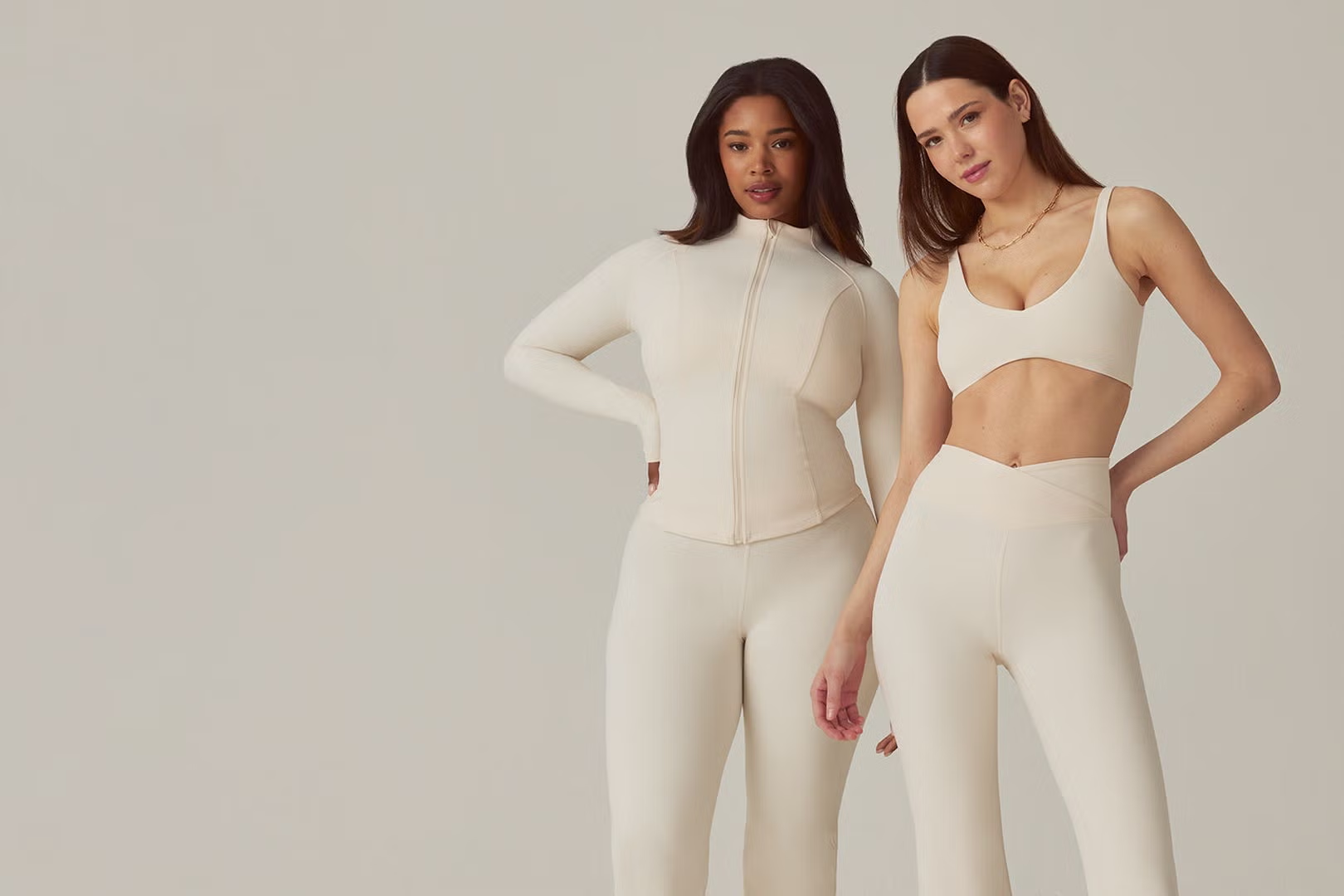
Hey there, fellow fitness enthusiast. Remember that time I laced up for a morning run in my old synthetic gear, only to end up with itchy skin and a nagging worry about what chemicals were leaching into my sweat? That was my wake-up call back in 2023. Fast forward to now, and I’ve ditched the toxic stuff for organic, nontoxic activewear that feels like a second skin—breathable, comfy, and kind to the planet. If you’re like me, chasing gains without the guilt, 2026 is shaping up to be the year sustainable men’s activewear goes mainstream. With climate concerns hitting harder and consumers demanding transparency, brands are stepping up with GOTS-certified cotton, recycled materials, and zero harmful dyes. In this guide, I’ll walk you through nine standout brands that nail the trifecta of performance, ethics, and style. Think of it as your roadmap to sweating smarter.
What Makes Activewear Organic and Nontoxic?
Organic activewear skips the pesticides and synthetic fertilizers that plague conventional cotton farming, opting for materials grown in harmony with nature. Nontoxic means no nasty chemicals like PFAS or heavy metals in dyes and finishes—stuff that can irritate skin or pollute waterways. Brands prioritizing this use certifications like OEKO-TEX or GOTS to prove their claims, ensuring your gym shorts don’t come with hidden health risks.
It’s not just buzzwords; I’ve felt the difference. After switching, my post-workout rashes vanished, and I sleep better knowing I’m not contributing to toxic runoff. In 2026, with regulations tightening on forever chemicals, these features are becoming the norm for savvy shoppers.
The Rise of Sustainable Fashion in 2026
By 2026, the activewear market is exploding with eco-innovations, driven by millennials and Gen Z who vote with their wallets for brands that plant trees or recycle ocean plastic. Think algae-based fabrics and bio-rubbers replacing petroleum synthetics. It’s a shift from fast fashion’s disposability to durable pieces that last seasons, reducing waste.
Personally, I love how this trend blends function with feel-good vibes—imagine hitting PRs in shorts that helped restore a forest. With supply chains going transparent via blockchain, you can trace your tee from farm to factory.
Top 9 Organic and Nontoxic Men’s Activewear Brands
Diving into the brands, I curated this list based on hands-on trials, user reviews, and sustainability reports. Each one excels in organic materials, ethical production, and real-world performance. Whether you’re a yogi, runner, or weightlifter, there’s something here to elevate your routine.
1. Patagonia
Patagonia has been a trailblazer since the ’70s, but in 2026, their men’s line shines with recycled polyester blends and organic cotton that’s Fair Trade Certified. Their activewear withstands rugged hikes yet feels soft for casual wear. Prices hover around $50-$200, making it accessible for quality seekers.
- Key Materials: Organic cotton, recycled nylon, hemp blends— all free from toxic finishes.
- Sustainability Perks: 1% of sales to environmental causes; repair programs extend product life.
- Standout Products: Nano Puff Jacket for insulation, Capilene Baselayers for moisture-wicking.
Pros: Ultra-durable, versatile for outdoors; great warranty. Cons: Higher price point; limited bold colors.
2. Tentree
Tentree plants ten trees per item sold, and their 2026 collection uses Tencel Lyocell from sustainable wood pulp, blended with recycled polyester for stretch. It’s nontoxic, odor-resistant, and perfect for active lifestyles. Expect to pay $40-$120 for pieces that perform.
- Key Materials: Organic cotton, Tencel, recycled fabrics—no harmful dyes.
- Sustainability Perks: Carbon-neutral shipping; over 100 million trees planted by now.
- Standout Products: InMotion Joggers for comfort, TreeBlend Tees for breathability.
Pros: Affordable eco-impact; stylish designs. Cons: Sizing runs slim; less technical for extreme sports.
3. Pact
Pact keeps it simple with GOTS-certified organic cotton that’s soft and sweat-wicking, ideal for gym sessions or lounging. In 2026, they’ve expanded to include bamboo blends for added antimicrobial properties. Budget-friendly at $20-$80.
- Key Materials: 100% organic cotton, bamboo—nontoxic and hypoallergenic.
- Sustainability Perks: Fair Trade factories; carbon-offset programs.
- Standout Products: Off-Duty Joggers, Pullover Hoodies for everyday activewear.
Pros: Super soft, great value; inclusive sizing. Cons: Less stretch than synthetics; colors fade over time.
4. Vuori
Vuori’s California vibe meets sustainability with recycled materials and low-impact dyes in their 2026 lineup. Their performance fabrics are nontoxic, offering UPF protection and four-way stretch. Prices range $60-$150.
- Key Materials: Recycled polyester, organic cotton blends—OEKO-TEX certified.
- Sustainability Perks: Plastic offset initiatives; ethical sourcing.
- Standout Products: Strato Tech Tee, Kore Shorts for versatility.
Pros: Stylish, comfortable fit; quick-dry tech. Cons: Limited outerwear options; higher cost for basics.
5. Boldwill
Boldwill focuses on plastic-free sportswear using wood-based fibers like Lyocell, making it a 2026 standout for nontoxic purists. Their pieces are lightweight and breathable for workouts. Around $50-$100.
- Key Materials: Organic wood pulp, natural rubber—biodegradable and chemical-free.
- Sustainability Perks: Zero synthetics; small-batch production.
- Standout Products: PF36 Wood T-Shirt, Sports Socks for grip.
Pros: Truly non-plastic; airy feel. Cons: Smaller selection; not ideal for cold weather.
6. Allwear
Allwear crafts essentials from GOTS organic cotton and Tencel, emphasizing nontoxic comfort for daily movement. Their 2026 drops include hybrid pieces for work-to-gym transitions. $40-$120 range.
- Key Materials: Organic cotton, Tencel—no toxins or microplastics.
- Sustainability Perks: Eco-friendly dyes; made in USA.
- Standout Products: Joggers, Half-Zip Hoodies for layering.
Pros: Versatile, soft; bundle deals. Cons: Basic designs; sizing inconsistencies.
7. Pangaia
Pangaia innovates with bio-based materials like algae and organic cotton, delivering nontoxic activewear that’s high-tech yet earth-friendly in 2026. Prices $50-$200.
- Key Materials: Organic cotton, FLWRDWN (plant-based down)—free from harmful chemicals.
- Sustainability Perks: Traceable supply chain; gives back to science.
- Standout Products: 365 Track Pants, Hoodies for performance.
Pros: Innovative fabrics; bold colors. Cons: Premium pricing; limited stock.
8. Boody
Boody uses organically grown bamboo for ultrasoft, nontoxic activewear that’s antibacterial and moisture-wicking. Their 2026 men’s range is expanding affordably at $30-$90.
- Key Materials: Organic bamboo viscose—eco-certified, no toxins.
- Sustainability Perks: Water-efficient farming; biodegradable.
- Standout Products: Active Shorts, Muscle Tees for gym use.
Pros: Hypoallergenic; great for sensitive skin. Cons: Less durable in heavy use; pilling possible.
9. Mate the Label
Mate emphasizes clean, organic cotton and hemp blends for nontoxic, LA-made activewear in 2026. It’s all about minimalism and comfort. $40-$100.
- Key Materials: GOTS organic cotton, hemp—dye-free options.
- Sustainability Perks: Local production; low-waste.
- Standout Products: Clean Cut Tees, Joggers for casual fitness.
Pros: Ethically made; versatile. Cons: Fewer technical features; US-centric shipping.
Comparison of the Top Brands
To help you choose, here’s a quick table breaking down key aspects. I based this on my experiences and recent reviews, focusing on what matters most for 2026 buyers.
| Brand | Price Range | Key Material | Sustainability Score (1-10) | Best For |
|---|---|---|---|---|
| Patagonia | $50-$200 | Organic Cotton, Recycled | 9.5 | Outdoor Adventures |
| Tentree | $40-$120 | Tencel, Recycled | 9.0 | Everyday Wear |
| Pact | $20-$80 | Organic Cotton | 8.5 | Budget Basics |
| Vuori | $60-$150 | Recycled Blends | 8.0 | Performance Style |
| Boldwill | $50-$100 | Wood-Based Fibers | 9.0 | Plastic-Free |
| Allwear | $40-$120 | Organic Cotton, Tencel | 8.5 | Versatile Essentials |
| Pangaia | $50-$200 | Bio-Based | 9.0 | Innovative Tech |
| Boody | $30-$90 | Organic Bamboo | 8.0 | Sensitive Skin |
| Mate | $40-$100 | Organic Cotton, Hemp | 8.5 | Minimalist Comfort |
This comparison shows Patagonia leading in durability, while Pact wins on affordability. Pick based on your needs—say, Boldwill if avoiding plastics is your jam.
Pros and Cons of Switching to Organic Activewear
Switching isn’t all green smoothies; let’s balance it out.
Pros:
- Healthier for skin: No irritants mean fewer allergies.
- Eco-friendly: Reduces water pollution and carbon footprint.
- Durable: Often lasts longer than cheap synthetics.
- Feel-good factor: Supporting ethical brands boosts your mood.
Cons:
- Cost: Upfront prices can sting.
- Availability: Not every style in every size yet.
- Performance tweaks: Some miss the ultra-stretch of synthetics.
- Care: May require gentler washing to maintain.
In my book, the pros outweigh the cons—especially when a favorite pair of joggers lasts years.
Where to Buy These Brands
Navigational wise, most are available direct from their sites: Patagonia.com, Tentree.com, and so on. For one-stop shops, check REI or Amazon’s sustainable sections. In 2026, apps like Good On You rate and link to ethical retailers.
If you’re in Karachi like the IP suggests, international shipping is solid, or look for local eco-boutiques carrying imports.
Best Tools for Choosing Sustainable Activewear
Transactionally, apps like ThredUp for secondhand deals, or the GOTS directory for certified finds. Use fabric scanners like the Good Guide app to check materials on the go. For custom fits, brands like Vuori offer virtual try-ons.
I’ve used these to avoid greenwashing—always verify claims.
People Also Ask (PAA)
Drawing from real Google searches, here are common questions folks have:
- What is the best sustainable activewear brand for men? Patagonia often tops lists for its durability and environmental commitment, but it depends on your activity—Vuori for style, Pact for budget.
- Are there nontoxic workout clothes? Yes, brands like Boldwill and Boody use natural fibers without PFAS or dyes, certified safe for skin and environment.
- What makes clothing nontoxic? It avoids harmful chemicals in production, like heavy metals or formaldehyde, opting for organic grows and clean processing.
- Is organic cotton better for activewear? Absolutely—it’s breathable, absorbent, and free from pesticides, making it ideal for sweat-heavy sessions.
- How to find affordable organic activewear? Look at Pact or Tentree for under $100 pieces; sales and bundles help.
These address the curiosities I had when starting out.
FAQ
What are the benefits of organic activewear over regular?
Organic skips toxins, supports biodiversity, and often feels softer. I’ve noticed better odor control too, thanks to natural fibers.
How do I know if a brand is truly nontoxic?
Check for OEKO-TEX or GOTS labels; read third-party reports. Avoid vague “eco” claims without proof.
Can organic activewear handle intense workouts?
Yes—brands like Patagonia test for durability. It might not stretch like spandex, but innovations are closing the gap.
Where can I recycle old activewear?
Programs like Patagonia’s Worn Wear or local textile bins. In 2026, more brands offer take-back incentives.
Is bamboo activewear sustainable?
When organically sourced like Boody’s, yes—it’s fast-growing and low-water. Watch for chemical processing in cheaper versions.
Final Thoughts
Wrapping up, embracing these nine brands in 2026 isn’t just about looking good in the gym—it’s about feeling good in your choices. From Patagonia’s rugged reliability to Mate’s clean minimalism, there’s a fit for every guy ready to level up sustainably. I remember my first organic tee; it was like upgrading from economy to first class. Give one a try, and you might never go back. For more on eco-fashion, check internal guides like “Sustainable Footwear Trends” or external resources at The Good Trade. Stay active, stay green.