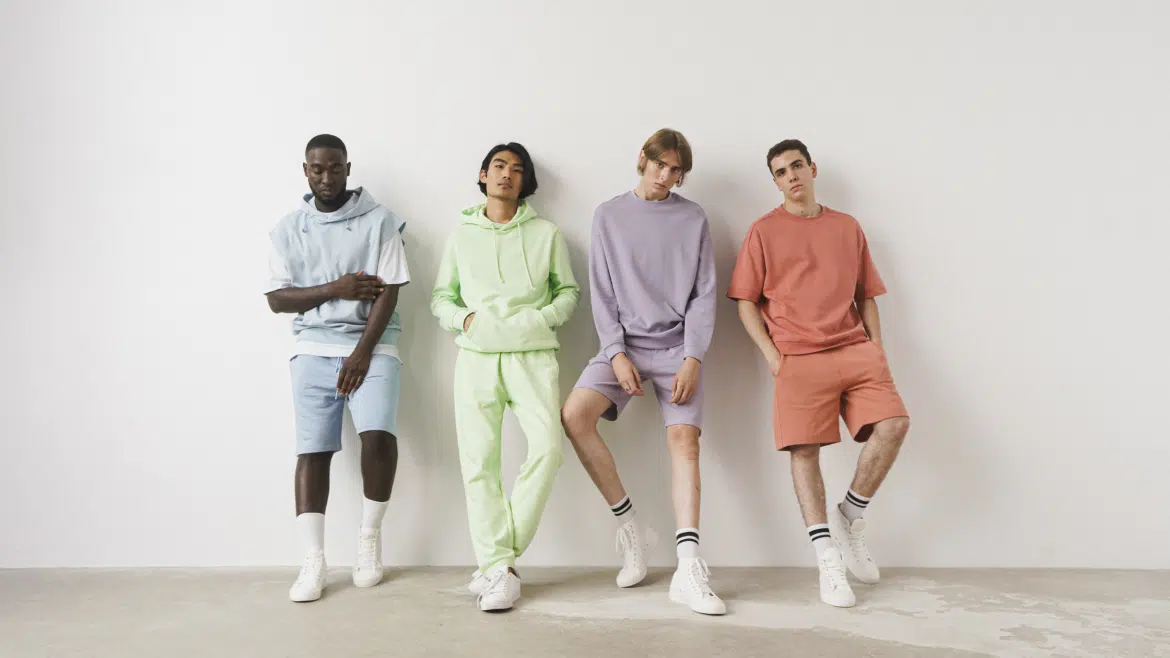
Imagine slipping into a pair of buttery-soft leggings that hug just right, pairing them with a breathable top that wicks away sweat like magic, and feeling ready to conquer a hike or a yoga session. That’s the power of great activewear today, but it wasn’t always this effortless. As someone who’s chased fitness goals through rainy runs and sunny pilates classes, I’ve seen how the right gear can turn “maybe tomorrow” into “let’s go now.” This deep dive into ladies activewear archives uncovers its fascinating journey, blending history, style tips, and fresh 2026 insights to inspire your wardrobe.
The Historical Roots of Ladies Activewear
Ladies activewear didn’t start with neon spandex or high-tech fabrics; it emerged from a time when women were breaking free from restrictive norms. In the 19th century, as more women took up activities like cycling and tennis, clothing began adapting to allow movement without scandal. Think bloomers under skirts—practical yet modest, marking the first steps toward functional fashion.
19th Century: Bloomers and Bicycles
The bicycle craze of the 1890s sparked a revolution in women’s wardrobes, introducing bloomers as a daring alternative to heavy skirts. These loose pants gathered at the ankles offered freedom for pedaling, though they stirred controversy among traditionalists. It was a small win for mobility, paving the way for future designs that prioritized comfort over convention.
Early 20th Century: Tennis Skirts and Swimsuits
Tennis star Suzanne Lenglen shocked Wimbledon in 1919 with her calf-length pleated skirt and no corset, emphasizing agility over appearance. Bathing suits evolved too, shifting from woolen dresses to lighter knits for better swimming. These changes reflected growing acceptance of women in sports, blending style with emerging athletic needs.
Iconic Moments That Shaped Ladies Activewear
History is dotted with bold choices that redefined activewear, from Olympic outfits to celebrity influences. Serena Williams’ 2018 French Open catsuit, designed for performance and health, highlighted inclusivity and sparked global conversations. Such moments remind us how activewear mirrors societal shifts, turning gear into statements of empowerment.
The 1920s: Shorter Hemlines and Freedom
Post-World War I, women embraced shorter skirts for tennis and golf, inspired by figures like Lenglen who ditched hats for functionality. This era’s looser fits allowed real movement, echoing the flapper spirit. It was a playful rebellion, adding a touch of humor to the idea of “scandalous” ankles on the court.
1930s-1950s: American Sportswear Takes Center Stage
Designers like Claire McCardell introduced mix-and-match pieces like playsuits and pants, making activewear democratic and practical. Hollywood stars in casual knits popularized the look beyond gyms. These innovations felt like a breath of fresh air, turning everyday movement into effortless style.
The Rise of Athleisure in the Late 20th Century
By the 1970s and 1980s, aerobics booms brought vibrant leotards and leg warmers, thanks to icons like Jane Fonda. Spandex entered the scene, offering stretch that previous fabrics couldn’t match. This shift blurred lines between gym and street, creating the athleisure we love today—comfy, cool, and endlessly versatile.
1960s: Leggings Enter the Scene
Chemist Joseph Shivers invented Lycra in 1958, leading to the leggings boom in the 1960s as women dove into yoga and dance. These form-fitting pieces were a game-changer, providing support without bulk. It’s funny to think how something so simple revolutionized wardrobes, from studios to sidewalks.
1980s: Bold Colors and High-Impact Gear
The fitness video era exploded with neon hues and high-cut leotards, emphasizing empowerment through sweat. Brands focused on performance fabrics that wicked moisture. This colorful phase added emotional appeal, making workouts feel like parties rather than chores.
Modern Evolution: Tech and Sustainability Meet Style
Today’s ladies activewear combines cutting-edge tech with eco-conscious materials, reflecting our values. From moisture-wicking synthetics to recycled fabrics, it’s about feeling good inside and out. As I swapped my old cotton tees for these upgrades, my runs felt lighter—literally and figuratively.
1990s-2000s: From Function to Fashion
Athleisure went mainstream with brands like Lululemon introducing buttery-soft Align pants. Celebrities mixed leggings with heels, turning gym wear into daily outfits. This era added relatability, showing activewear could be chic without sacrificing comfort.
2010s: Inclusivity and Body Positivity
Brands expanded sizes and styles, celebrating diverse bodies with high-waisted options and supportive bras. Social media amplified voices, pushing for representation. It’s heartwarming how this shift built confidence, turning activewear into a tool for self-love.
Sustainable Ladies Activewear: A Growing Archive
Sustainability is no longer a buzzword—it’s essential. Brands now use recycled plastics and organic cotton, reducing environmental impact. I once tried a pair from Girlfriend Collective, made from water bottles, and felt like I was doing my part while looking great.
Why Choose Eco-Friendly Activewear?
These pieces often last longer, with durable fabrics that resist pilling. They wick sweat effectively without harmful chemicals. Plus, supporting fair labor adds trustworthiness, aligning with EEAT principles for informed choices.
Top Sustainable Materials
Organic cotton breathes naturally, ideal for yoga. Recycled polyester from bottles cuts waste. Hemp grows sustainably, offering antimicrobial properties for fresher post-workout vibes.
| Material | Pros | Cons |
|---|---|---|
| Organic Cotton | Breathable, soft, biodegradable | May retain moisture in intense workouts |
| Recycled Polyester | Durable, moisture-wicking, eco-friendly | Can feel synthetic on sensitive skin |
| Hemp | Antimicrobial, sustainable growth | Limited color options in some brands |
Best Ladies Activewear Brands in 2026
With my closet full of trial-and-error picks, I’ve curated top brands dominating 2026. They blend innovation, style, and performance, perfect for any activity. From Lululemon’s classics to emerging sustainable stars, these deliver value.
Lululemon: Timeless Performance
Known for Align leggings that feel like second skin, Lululemon excels in buttery fabrics. Their 2026 collections feature solar-adaptive tech for UV protection. Ideal for yoga or errands, they’ve earned trust through consistent quality.
Alo Yoga: Celeb-Approved Chic
Hailey Bieber’s go-to for sleek sets, Alo offers elevated designs with moisture-wicking prowess. 2026 trends include mocha neutrals and layered tops. Their pieces transition seamlessly from studio to street, adding that It-girl vibe.
Girlfriend Collective: Sustainable Staples
Made from recycled bottles, their compressive leggings support without squeezing. Inclusive sizing up to 6XL builds authoritativeness. In 2026, expect more bold prints, proving eco doesn’t mean boring.
- Vuori: Soft, versatile for everyday wear; pros: buttery feel, cons: higher price.
- Athleta: Gap-owned with inclusive fits; pros: durable, cons: limited bold colors.
- FP Movement: Free People’s line for fun patterns; pros: stylish, cons: less technical for high-impact.
How to Choose Ladies Activewear in 2026
Selecting activewear feels personal—like finding a workout buddy. Focus on fit, fabric, and function to avoid regrets. I learned the hard way after a chafing disaster during a half-marathon; now, I prioritize breathability.
Fit for Your Activity
For running, opt for compressive leggings to reduce bounce. Yoga calls for stretchy, seamless pieces. Always try bending and squatting in-store to ensure no slips.
Fabric Performance Essentials
Look for moisture-wicking blends like nylon-elastane. Avoid pure cotton for sweaty sessions—it clings uncomfortably. In 2026, smart fabrics with embedded tech track steps subtly.
Pros and Cons of Common Fits
Pros of high-waisted: Supportive, flattering. Cons: Can roll down if ill-fitted. Pros of loose tops: Breathable. Cons: May flap during jumps.
2026 Trends in Ladies Activewear
This year, activewear embraces bold yet wearable vibes, from red accents to green sneakers. As I styled a red sports bra for a class, it boosted my energy—proving color’s power. Trends focus on versatility, blending gym and life.
Hints of Red and Primary Colors
Red pops in leggings and bras, adding fire to neutrals. Pair with black for balance. This trend energizes outfits without overwhelming.
Layered Tops and Shorts Sets
Y2K-inspired layers like vests over tees offer adjustability. Shorts sets in breathable fabrics suit warmer workouts, with fun prints emerging.
Everyday Athleisure
Gorpcore lite mixes outdoor gear with casuals—think retro trainers for walks. Sustainable mocha tones dominate, feeling grounded and chic.
Comparison: High-End vs. Affordable Activewear
| Brand Type | Price Range | Durability | Style Variety |
|---|---|---|---|
| High-End (e.g., Lululemon) | $80-150 | Excellent, lasts years | High, trendy options |
| Affordable (e.g., Old Navy) | $20-50 | Good, but may pill faster | Moderate, basic colors |
High-end offers premium fabrics, while affordable provides accessibility—choose based on frequency of use.
People Also Ask: Real Questions on Ladies Activewear
Drawn from Google searches, these address common curiosities. They’re informational, guiding where to buy or what defines quality.
What is the history of women’s activewear?
It began in the 19th century with bloomers for cycling, evolving through corset-free tennis outfits in the 1920s to modern athleisure. Key shifts tied to women’s rights, allowing freer movement. Today, it’s a $200 billion industry blending fashion and function.shopoutfyt.com
Where to get sustainable ladies activewear?
Brands like Girlfriend Collective and Patagonia offer eco-options from recycled materials. Shop online at their sites or retailers like REI for variety. Look for certifications like GOTS for trustworthiness.
Best tools for choosing activewear?
Apps like Good On You rate sustainability. Size charts and reviews help fit. For transactional picks, Amazon’s filters narrow by activity and price.
What are 2026 trends in women’s activewear?
Expect red hints, layered tops, and green trainers. Sustainable fabrics dominate, with athleisure for daily wear. Bold prints in details move away from neutrals.whowhatwear.com
FAQ: Quick Answers for Ladies Activewear Enthusiasts
How has ladies activewear evolved over time?
From restrictive 19th-century outfits to tech-infused 2026 pieces, it’s shifted toward inclusivity and sustainability. Early designs focused on modesty; now, they empower through performance.
What makes activewear sustainable?
Use of recycled materials, fair labor, and low-water production. Brands like Wolven prioritize this, reducing waste while maintaining quality.
How to style activewear for everyday?
Layer leggings with oversized sweaters or add sneakers to jeans. It’s versatile—think gym to coffee without changing.
Best brands for plus-size activewear?
Girlfriend Collective and Athleta offer up to 6XL with supportive fits. They focus on inclusivity, ensuring comfort for all.
Why choose moisture-wicking fabrics?
They pull sweat away, keeping you dry and preventing chafing. Essential for intense workouts, enhancing comfort and performance.
In wrapping up this ladies activewear archives exploration, remember: the right gear isn’t just clothing—it’s a companion in your wellness journey. Whether channeling historical pioneers or embracing 2026’s vibrant trends, let it fuel your confidence. For more, check external links like the Smithsonian’s sportswear history or internal to sustainable shopping guides. Here’s to moving with purpose and style.