Hey, have you ever stood in front of your closet, staring at a pile of clothes you barely wear, and wondered where it all came from? I sure have. A few years back, I was that person impulse-buying trendy pieces from fast-fashion outlets, only to feel a pang of guilt when I learned about the massive waste they create. That’s when I dove into eco-friendly fashion—it changed how I shop and even how I feel about what I wear. In this deep dive, we’ll unpack what eco-friendly fashion really means, why it’s a game-changer for our planet and people, and how you can weave it into your life without sacrificing style. Trust me, once you start, it’s hard to go back.
Understanding Eco-Friendly Fashion
Eco-friendly fashion isn’t just a buzzword—it’s a mindful approach to clothing that prioritizes the planet. Think of it as dressing with intention, choosing pieces made from materials and processes that don’t harm the environment or exploit workers. It’s about shifting from throwaway trends to timeless items that last.
The Core Definition
At its heart, eco-friendly fashion focuses on reducing the environmental footprint of clothing production and consumption. This includes using sustainable materials like organic cotton or recycled fabrics, ethical labor practices, and designs that minimize waste. It’s a response to the fashion industry’s heavy toll on resources, aiming for a balance where style meets stewardship.
How It Differs from Fast Fashion
Fast fashion churns out cheap, trendy clothes at lightning speed, but eco-friendly options slow things down. While fast fashion leads to landfills overflowing with barely worn items, eco-friendly pieces are built to endure, often with transparency about their origins. It’s like choosing a home-cooked meal over fast food—nourishing and less wasteful.
The Evolution of Eco-Friendly Fashion
Eco-friendly fashion has roots in the environmental movements of the 1960s and 70s, but it gained real traction in the 1990s with brands highlighting organic materials. Today, it’s mainstream, driven by consumer demand for transparency amid climate concerns. What started as niche has become a global push for change.
Key Milestones in Its History
From Stella McCartney’s pioneering vegan designs in the early 2000s to the UN’s 2019 Alliance for Sustainable Fashion, milestones mark progress. The 2013 Rana Plaza collapse exposed labor horrors, sparking reforms. Now, in 2026, circular economy models like clothing rentals are standard.
Modern Influences and Trends
Social media influencers and documentaries like “The True Cost” have amplified awareness. Trends now include upcycled collections and AI-driven waste reduction. It’s inspiring to see how tech and creativity are making sustainability stylish.
Why Eco-Friendly Fashion Matters
Picture this: the fashion industry guzzles more energy than aviation and shipping combined, spewing 10% of global greenhouse gases. Eco-friendly fashion counters that by conserving resources and cutting pollution. It’s crucial for protecting our world and ensuring fair treatment for those who make our clothes.
Environmental Impacts of Traditional Fashion
Traditional fashion devastates with 20% of global wastewater from dyeing and massive microplastic pollution from synthetics. It razes forests for fabrics and fills landfills—87% of garments end up trashed. Switching to eco options curbs these harms dramatically.
Social and Ethical Reasons
Beyond the planet, it’s about people. Garment workers often face unsafe conditions and low wages in fast fashion. Eco-friendly brands prioritize fair pay and safe factories, empowering communities. It’s fashion that feels good inside and out.
Economic Benefits for Everyone
Sustainable practices create jobs in green tech and recycling, while durable clothes save consumers money long-term. Brands see loyalty from eco-conscious shoppers—73% of Gen Z pay more for sustainable items. It’s a win for wallets and the world.
Key Principles of Eco-Friendly Fashion
Eco-friendly fashion rests on pillars like transparency, durability, and circularity. These guide everything from material choice to end-of-life recycling. Embracing them turns shopping into a positive force.
Use of Sustainable Materials
Materials matter—organic cotton uses 62% less energy than conventional, while recycled polyester diverts plastic waste. Hemp and bamboo grow with minimal water, offering eco alternatives that perform just as well.
Ethical Production Practices
Fair wages, safe workplaces, and no child labor are non-negotiables. Certifications like Fair Trade ensure accountability. It’s about valuing the hands that craft our wardrobes.
Reducing Waste Through Circularity
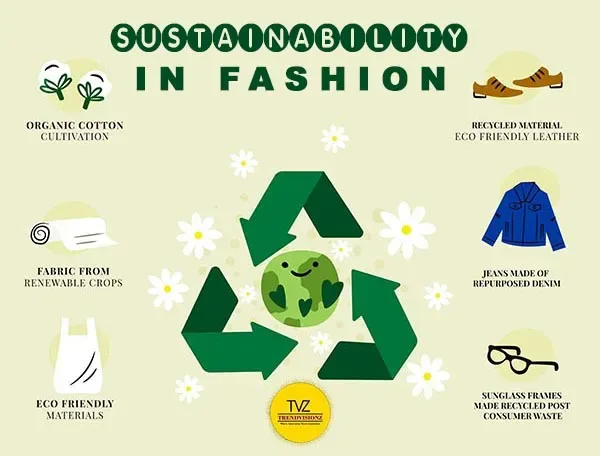
Circular fashion reuses, repairs, and recycles. Think rental services or upcycling old jeans into bags. It keeps materials in play, slashing the need for new resources.
Popular Eco-Friendly Materials
From plant-based wonders to recycled innovations, these materials redefine fashion. They’re kinder to the earth without skimping on comfort or style.
Organic Cotton and Hemp
Organic cotton skips pesticides, saving water and soil health. Hemp grows fast with little input, making strong, breathable fabrics. Both are biodegradable bonuses.
Recycled Polyester and Nylon
Made from plastic bottles, recycled polyester cuts oil use. It’s durable for activewear. Recycled nylon from fishing nets cleans oceans while creating tough textiles.
Innovative Alternatives Like Tencel
Tencel, from wood pulp, is soft and sustainable, using closed-loop processes that recycle water. It’s a silky, eco-friendly choice for dresses and shirts.
Here’s a quick comparison of common materials:
| Material | Water Usage | Durability | Biodegradable? |
|---|---|---|---|
| Organic Cotton | Low | High | Yes |
| Hemp | Very Low | Very High | Yes |
| Recycled Polyester | Moderate | High | No |
| Conventional Cotton | High | Medium | Yes |
| Polyester | Moderate | High | No |
This table shows how eco choices stack up—opt for the top rows for greener picks.
The Importance of Eco-Friendly Fashion in 2026
In 2026, with climate goals looming, eco-friendly fashion is vital. It combats rising emissions—fashion’s share could hit 26% by 2050 without change. Adopting it now builds a resilient future.
Combating Climate Change
By cutting CO2 from production, eco fashion helps meet Paris Agreement targets. Brands using renewable energy slash footprints by up to 50%.
Protecting Biodiversity
Less deforestation for cotton or leather preserves habitats. Sustainable sourcing supports wildlife, reducing pollution that harms ecosystems.
Health Benefits for Consumers
Eco clothes avoid toxic chemicals, reducing skin irritations. Organic fabrics are gentler, and fewer synthetics mean less microplastic ingestion—win for well-being.
Benefits of Embracing Eco-Friendly Fashion
Switching brings perks beyond ethics. It’s empowering, knowing your choices spark change. Plus, the quality often means fewer buys.
For the Planet
Reduces waste—only 1% of clothes are recycled now, but eco shifts could divert billions from landfills. Cleaner production saves water equivalent to millions of pools yearly.
For Your Wallet
Durable items last longer, cutting replacement costs. I once splurged on an organic tee that’s outlived five cheap ones—math checks out.
For Personal Style
Eco fashion offers unique, timeless pieces. It’s not bland—think vibrant upcycled designs that stand out. Your wardrobe becomes a story.
Pros of Eco-Friendly Fashion:
- Lower environmental impact
- Supports ethical labor
- High-quality, long-lasting items
- Unique, meaningful styles
Cons:
- Higher upfront costs
- Limited availability in some areas
- Requires research to avoid greenwashing
Comparison: Fast Fashion vs. Eco-Friendly Fashion
Fast fashion tempts with low prices, but eco wins on longevity. A $10 tee might last a season; a $50 organic one endures years. The real cost? Fast’s hidden environmental bill.
Production Processes Compared
Fast relies on mass output with chemicals; eco uses low-impact methods like waterless dyeing. Result: eco cuts pollution by 95% in some steps.
Long-Term Costs and Durability
Fast items wear out quick, leading to more buys. Eco’s sturdy builds mean fewer purchases—my hemp pants are three years strong and counting.
Consumer Impact
Fast fuels overconsumption; eco encourages mindful choices. Shoppers feel empowered, knowing they’re part of solutions, not problems.
How to Adopt an Eco-Friendly Fashion Lifestyle
Starting small is key. I began by auditing my closet, ditching unworn items, and focusing on versatile buys. It’s a journey, not a sprint.
Building a Sustainable Wardrobe
Start with basics: a few high-quality pieces in neutral colors. Mix and match for endless outfits. Aim for 30 items that spark joy and utility.

The Top 8 Sustainable Fashion Materials for Clothing Brands
Shopping Tips and Where to Find It
Thrift stores, apps like Depop, or sites like ThredUp for secondhand gems. For new, check certifications. Local markets often have artisan eco pieces.
Care and Maintenance for Longevity
Wash cold, air dry, mend tears. Simple habits extend life—my wool sweater’s still cozy after spot-cleaning instead of frequent washes.
Best Eco-Friendly Fashion Brands in 2026
Brands like Patagonia lead with recycled gear. I love their repair program—sent back a jacket, got it fixed free. They’re proof sustainability sells.
Top Affordable Options
Pact uses organic cotton for basics under $50. Kotn offers ethical tees from Egyptian farms. Accessible entry points for green style.
Luxury Sustainable Brands
Stella McCartney’s vegan luxury shines. Reformation upcycles vintage into chic dresses. Worth the splurge for heirloom quality.
Where to Buy: Online and In-Store
Online: Etsy for handmade, Everlane for transparents. In-store: REI for outdoor eco, or H&M Conscious lines (but verify claims). For more, visit Patagonia’s site.
Recycled Fabrics: 4 Popular Types in the Fashion Industry
Tools and Resources for Eco-Friendly Shopping
Apps like Good On You rate brands on ethics. Use them to scan barcodes for instant insights. It’s like having a sustainability coach in your pocket.
Best Apps and Websites
Depop for preloved, The RealReal for luxury resale. Good On You’s database covers thousands—free and eye-opening.
Certifications to Look For
GOTS for organic textiles, Fair Trade for ethics. Bluesign approves low-impact production. These seals cut through greenwashing.
Community and Events
Join swaps via Facebook groups or attend Fashion Revolution Week events. Connect with like-minded folks—it’s motivating and fun.
People Also Ask: Common Questions About Eco-Friendly Fashion
Drawing from real searches, here are answers to what folks often wonder.
What Is the Problem with Fast Fashion?
It pollutes massively, exploits workers, and promotes disposability. Billions of garments waste away in landfills yearly.
Are Some Fabrics More Sustainable Than Others?
Yes—natural ones like linen beat synthetics. Avoid polyester; opt for recycled or organic alternatives.
How Can I Make My Wardrobe More Sustainable?
Shop secondhand, repair items, buy quality. Start with a capsule wardrobe for versatility.
Is Sustainable Fashion Expensive?
It can be pricier upfront, but lasts longer, saving money. Affordable brands exist too.
How Ethical Fashion Brands Are Transforming the Industry
Challenges and Criticisms
No movement’s perfect—greenwashing tricks buyers, and accessibility varies. But progress outpaces pitfalls.
Common Myths Debunked
Myth: Eco fashion is boring. Reality: It’s innovative and trendy. Another: It’s only for the rich—thrift flips that.
Overcoming Barriers to Adoption
Start small to avoid overwhelm. Budget by prioritizing needs. Education dispels doubts—knowledge is power.
Future Outlook
By 2030, circular models could dominate. Innovations like bio-fabrics excite. We’re heading toward a greener closet.
FAQ
What exactly is eco-friendly fashion?
It’s clothing produced with minimal environmental harm, using sustainable materials and ethical practices. Focuses on longevity and low impact.
Why should I care about sustainable fashion?
It reduces pollution, saves resources, and supports fair labor. Your choices help combat climate change and exploitation.
How do I spot greenwashing in fashion brands?
Look for specific claims backed by certifications, not vague “eco” labels. Check transparency reports.
What are some easy first steps to go eco-friendly?
Audit your closet, buy secondhand, choose natural fibers. Wash less to extend wear.
Can eco-friendly fashion be stylish?
Absolutely—brands blend trends with sustainability. It’s about personal expression without compromise.
For deeper reads, check our guide to sustainable materials or external resources like EarthDay.org’s fashion campaign.
Wrapping up, eco-friendly fashion isn’t a fad—it’s essential. I switched years ago after a thrift find sparked joy without guilt. Imagine a world where your outfit helps heal the planet. Start today; your future self (and Earth) will thank you.