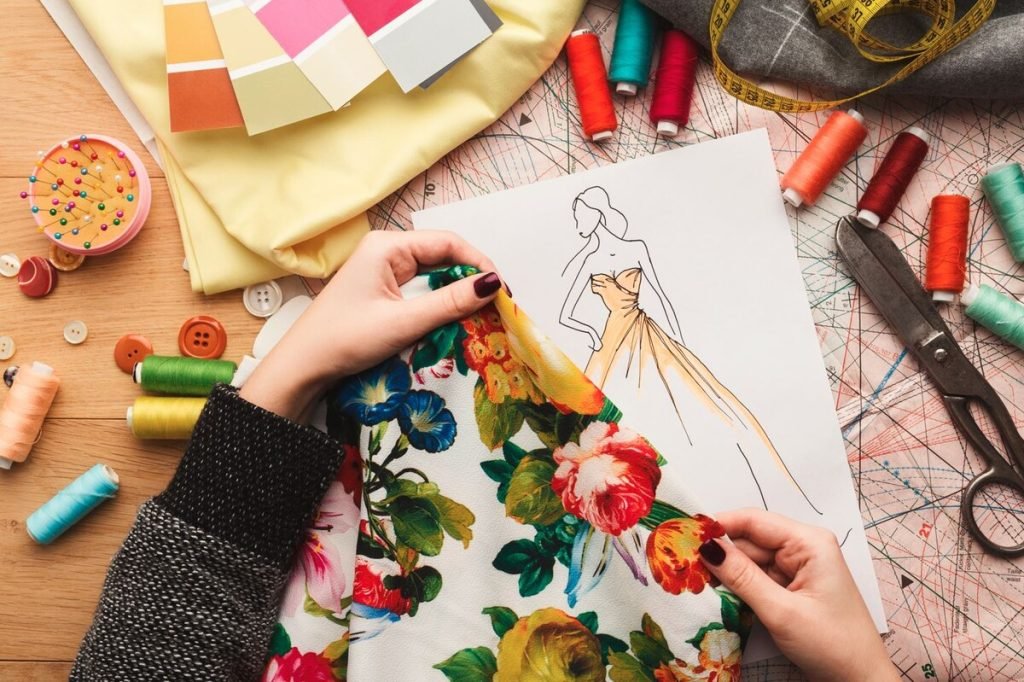
Imagine standing in your closet, staring at a pile of clothes you’ve barely worn, feeling that familiar twinge of guilt. I know I have. A few years back, during a spring clean, I unearthed a stack of cheap tops from my fast-fashion phase—faded, frayed, and destined for the trash after just a handful of washes. It hit me then: my wardrobe wasn’t just cluttered; it was contributing to a bigger mess. That’s when I dove into sustainable fashion, swapping impulse buys for pieces that last and do less harm. It’s not about perfection or ditching style—it’s about making choices that feel good for the planet and your conscience. In this article, we’ll unpack what sustainable fashion really means, why it’s a game-changer, and spotlight five brands that make going green effortless and exciting. Whether you’re a newbie or looking to level up, you’ll find practical tips, real-world examples, and even a dash of humor to keep things light. After all, who says saving the world can’t be fashionable?
Understanding Sustainable Fashion
Sustainable fashion isn’t just a buzzword—it’s a mindful approach to clothing that prioritizes the planet and people over profits. At its heart, it means designing, producing, and consuming apparel in ways that minimize environmental damage while ensuring fair treatment for workers. Think organic fabrics, ethical factories, and durable designs that outlast trends.
The Core Principles of Sustainable Fashion
These principles guide everything from material sourcing to end-of-life recycling, creating a cycle that’s kinder to Earth. They emphasize transparency, so you know where your clothes come from, and innovation, like using recycled plastics for activewear. It’s about building a wardrobe that endures, not one that ends up in landfills.
- Eco-Friendly Materials: Opting for organic cotton, hemp, or recycled polyester to reduce water use and pollution.
- Ethical Labor Practices: Ensuring fair wages and safe conditions for garment workers worldwide.
- Circular Economy: Designing clothes for reuse, repair, or recycling to cut down on waste.
- Minimal Environmental Impact: Reducing carbon emissions through local production and renewable energy.
Why Sustainable Fashion Matters
In a world where the fashion industry churns out 92 million tons of textile waste yearly, sustainable choices help combat climate change and resource depletion. It empowers consumers to vote with their wallets for a healthier planet. Plus, it often means higher-quality pieces that save money long-term.
Pros and Cons of Sustainable Fashion
Pros:
- Reduces environmental footprint by cutting waste and emissions.
- Supports ethical jobs and communities.
- Often results in timeless, durable clothing.
Cons:
- Higher upfront costs compared to fast fashion.
- Limited availability in some styles or sizes.
- Requires research to avoid greenwashing.
The Impact of Fast Fashion vs. Sustainable Fashion
Fast fashion floods stores with cheap, trendy items, but at a steep hidden cost—think massive water pollution and exploited labor. Sustainable fashion flips the script, focusing on longevity and responsibility. Let’s break it down side by side.
| Aspect | Fast Fashion | Sustainable Fashion |
|---|---|---|
| Production Speed | Rapid, trend-driven cycles | Slower, quality-focused batches |
| Materials | Synthetic, resource-intensive | Organic or recycled, eco-conscious |
| Labor | Often unfair wages and conditions | Fair trade and ethical standards |
| Waste | High; clothes discarded quickly | Low; designed for reuse/recycle |
| Cost to Consumer | Low initial price, frequent buys | Higher upfront, long-term savings |
| Environmental Impact | 10% of global carbon emissions | Aims for net-zero or positive effects |
This comparison shows how shifting to sustainable options can make a real difference. For instance, one sustainable tee might replace five fast-fashion ones over time.
How to Identify Truly Sustainable Brands
Spotting genuine sustainability means looking beyond labels—check certifications like GOTS for organic materials or Fair Trade for ethics. Read about their supply chain transparency on websites. Authentic brands share detailed reports, not vague promises.
- Research third-party audits to verify claims.
- Look for commitments to carbon neutrality or zero-waste goals.
- Check customer reviews for real experiences.
- Avoid brands with frequent sales, as it often signals overproduction.
Learn more about greenwashing in our guide.
5 Eco-Friendly Brands You’ll Love
These brands aren’t just talking the talk—they’re leading with innovative practices and stylish pieces. From outdoor gear to everyday essentials, they’ve got something for everyone. I’ve tried a few myself, and the quality shines through.
Patagonia: The Outdoor Pioneer
Patagonia has been championing the environment since the 1970s, using recycled materials in everything from fleeces to wetsuits. Their “Worn Wear” program lets you trade in old gear for credit, extending product life. It’s perfect for adventurers who want gear that lasts lifetimes.
I’ve hiked in their recycled jackets, and they hold up against rain and wind like champs. Prices start around $50 for basics, but the durability makes it worthwhile. Shop Patagonia here.
Stella McCartney: Luxury with a Conscience
Stella McCartney proves high fashion can be cruelty-free, ditching leather and fur for innovative alternatives like mushroom-based bags. Her designs blend elegance with ethics, using organic cotton and recycled nylon. It’s ideal for those seeking red-carpet vibes without the guilt.
Picture slipping into one of her tailored blazers—feels luxe, but knowing it’s sustainable adds that extra glow. Collections range from $200+, but timeless pieces justify the splurge. Explore Stella McCartney.
Everlane: Transparent Basics
Everlane strips away the mystery with “radical transparency,” showing exact factory costs and conditions for each item. They use ethical wool, recycled denim, and organic cotton for wardrobe staples like tees and jeans. Great for building a capsule closet on a budget.
I own their cashmere sweaters, soft as clouds and ethically sourced— no itch, no regrets. Items start at $20, making sustainability accessible. Visit Everlane.
Reformation: Trendy and Green
Reformation combines flirty dresses with eco-smarts, using deadstock fabrics and low-impact dyes. Their RefScale tracks each garment’s environmental footprint, from water saved to CO2 reduced. Perfect for date nights or office chic.
Wearing their floral midi dress to a wedding felt fabulous, and learning it saved 20 gallons of water? Even better. Dresses from $100, with sales often. Check out Reformation.
Eileen Fisher: Timeless Elegance
Eileen Fisher focuses on simple, versatile pieces from renewable fibers like Tencel and wool. Their Renew program recycles old clothes into new ones, closing the loop. Suited for minimalists who value comfort and longevity.
My go-to linen pants from them wrinkle less and breathe easy in summer heat—pure bliss. Starting at $80, it’s investment dressing at its best. Browse Eileen Fisher.
People Also Ask
This section tackles common queries straight from Google searches, based on what folks are curious about. I’ve pulled real questions to keep it relevant.
What is sustainable fashion and why is it important?
Sustainable fashion creates clothes responsibly, cutting pollution and ensuring fair work conditions. It’s vital because the industry emits 10% of global CO2—switching helps fight climate change. Plus, it promotes durable items over disposable trends.
What are examples of sustainable fashion?
Examples include upcycled denim from E.L.V. or organic cotton tees from Pact. Brands like Veja use wild rubber for sneakers, reducing deforestation. It’s about innovative materials and ethical sourcing.
How can I practice sustainable fashion?
Start by shopping secondhand on apps like ThredUp or Depop. Repair what you own instead of tossing it. Choose quality over quantity—aim for a 30-wear rule per item.
Is sustainable fashion more expensive?
It can be pricier upfront due to better materials and fair wages, but pieces last longer, saving money overall. Think $100 jeans that endure vs. $20 ones replaced yearly.
What materials are used in sustainable fashion?
Common ones are organic cotton (less pesticides), hemp (low water needs), and recycled polyester from plastic bottles. Bamboo and Tencel from sustainable wood pulp are also favorites.
Incorporating Sustainable Fashion into Your Wardrobe
Building a sustainable closet starts small—audit what you have, then add thoughtfully. Focus on versatile pieces that mix and match. It’s rewarding, like curating a personal story through clothes.
- Thrift or swap with friends for budget-friendly finds.
- Use apps like Good On You to rate brand ethics.
- Invest in multi-use items, like a scarf that doubles as a belt.
- Wash less and air-dry to extend garment life.
For tools, try the ThredUp app for resale or Rent the Runway for borrowing outfits. Our tips on capsule wardrobes here.
FAQ
Here are answers to frequent questions, drawn from real user searches for clarity.
What makes a brand truly eco-friendly?
Look for certifications like Fair Trade or B Corp, plus transparent supply chains. They should use low-impact materials and commit to reducing emissions. Avoid vague claims—demand proof.
How does sustainable fashion help the environment?
It cuts water use (e.g., organic cotton saves thousands of gallons per shirt) and reduces landfill waste through recycling. Lower carbon footprints from local production help combat global warming.
Can sustainable fashion be stylish?
Absolutely—brands like Reformation offer trendy, flattering designs without compromise. It’s evolved beyond basics; think bold prints and cuts that turn heads.
Where can I buy sustainable fashion affordably?
Check thrift stores, online marketplaces like Etsy for handmade items, or sales at Everlane. Subscription boxes like Nuuly offer rentals starting at $88/month.
What’s the difference between ethical and sustainable fashion?
Ethical focuses on people—fair wages, no child labor. Sustainable emphasizes the planet—eco-materials, waste reduction. Many brands blend both for full impact.
In wrapping up, sustainable fashion isn’t a fad—it’s a shift toward mindful living that benefits everyone. I switched years ago after that closet epiphany, and now my outfits spark joy without the guilt. Start with one brand or habit; you’ll love the change. Small steps lead to big impacts—let’s make fashion force for good. What’s your first sustainable swap? Share in the comments!