
Hey there, fashion explorer. Picture this: I was rummaging through my grandma’s attic a few years back, dust motes dancing in the sunlight like tiny disco balls, when I stumbled upon this buttery soft leather jacket from the ’70s. It had that worn-in patina that screams stories—maybe it tagged along to a rock concert or two. Slipping it on felt like wrapping myself in history, but pairing it with my favorite skinny jeans and sneakers? Magic. Suddenly, I wasn’t just wearing clothes; I was telling a tale. That’s the heart of vintage fashion—it’s not about playing dress-up in the past, but blending timeless gems with your everyday style to create something uniquely you. In this deep dive, we’ll unpack how to rock vintage pieces without feeling like you’re auditioning for a period drama. We’ll cover the basics, share real-world tips drawn from my own thrifting adventures and chats with fellow style enthusiasts, and spotlight six outfits that prove vintage can be effortlessly modern. Whether you’re a newbie dipping your toes or a seasoned collector, let’s make your wardrobe sing with character. And hey, if you’re eyeing sustainable choices that stand out from fast fashion crowds, you’re in the right spot—this guide is packed with practical advice to help you shop smarter, style bolder, and even snag some AdSense-friendly inspo for your own site.
What is Vintage Fashion?
Vintage fashion refers to clothing and accessories that are at least 20 years old, often hailing from iconic eras like the roaring ’20s, swinging ’60s, or grunge ’90s. It’s not just old stuff—think high-quality fabrics, unique cuts, and details you won’t find in mass-produced items today. What sets vintage apart is its storytelling potential; each piece carries a legacy, whether it’s a flapper dress or a pair of ’80s shoulder-padded blazers.
The Appeal of Vintage: Why Bother?
Beyond the thrill of the hunt, vintage fashion offers sustainability in a world drowning in disposable trends—reusing pieces cuts down on waste and supports ethical style. It’s also a wallet-friendly way to stand out, with one-of-a-kind finds that add personality to your look without breaking the bank. Plus, there’s that emotional tug; slipping into something with history feels like connecting to bygone vibes, making your outfits more than just threads.
Sourcing Your Vintage Treasures: Where to Get Started
Thrift stores and flea markets are goldmines for beginners, where you can score deals like a ’50s circle skirt for under $20—I’ve snagged some of my favorites this way, haggling over coffee with vendors. Online platforms make it even easier, with curated selections that ship right to your door. For those ready to invest, specialty boutiques ensure authenticity and quality, turning shopping into an adventure.
- Local Thrift Shops: Places like Goodwill or Salvation Army often have hidden gems; check Goodwill’s locator for spots near you.
- Online Marketplaces: Etsy and eBay are perfect for targeted searches—try keywords like “vintage ’70s blouse” on Etsy.
- Vintage Boutiques: Stores like Rokit in the UK or Beacon’s Closet in NYC offer expert picks; visit their sites for virtual tours.
- Flea Markets and Estate Sales: Apps like EstateSales.net alert you to local events—great for one-off discoveries.
- Apps and Resale Sites: Poshmark or Depop let you filter by era; ideal for mobile browsing.
If you’re building a bulk site for fashion tips, linking to these resources can boost your navigational content and user engagement.
Essential Tips for Styling Vintage Without the Costume Vibe
The key to nailing vintage is balance—mix one or two retro items with contemporary staples to keep things fresh and wearable. Start small, like adding a ’40s brooch to a plain tee, and build confidence from there. Remember, fit matters; tailoring can modernize oversized pieces, turning potential frumps into flattering fits.
- Blend eras: Pair a ’60s mini dress with ’90s chunky boots for eclectic charm.
- Accessorize smartly: Modern sunglasses or a sleek bag ground whimsical garments.
- Focus on hair and makeup: Keep it simple and current to avoid over-the-top looks.
- Layer thoughtfully: Throw a denim jacket over a vintage slip for casual edge.
- Experiment with prints: Mix subtle retro patterns with solids to stay grounded.
Pros and Cons of Incorporating Vintage Pieces
Pros:
- Unique style that sets you apart from cookie-cutter trends.
- Eco-friendly choice, reducing your carbon footprint.
- Often better quality and durability than fast fashion.
- Budget-savvy with thrifty finds under $50.
Cons:
- Sizing can be inconsistent across eras—tailoring adds cost.
- Care requires gentle handling to preserve fabrics.
- Hunting takes time; not as quick as online fast fashion.
- Potential for fakes if not buying from trusted sources.
For more on maintaining your finds, check our internal guide on vintage clothing care.
6 Fabulous Outfits Featuring Vintage Pieces
Diving into specifics, these six outfits draw from real-life inspirations—think my own mix-and-match experiments and trends spotted on street style blogs. Each one highlights a vintage star, styled for everyday scenarios. They’re designed to cover casual to semi-formal, with tips on where to source similar pieces.
Outfit 1: Casual Weekend Vibes – Vintage Blouse with Modern Jeans
Tuck a flowy ’70s boho blouse into high-waisted skinny jeans, add white sneakers, and finish with a crossbody bag for an effortless errands look. The blouse’s embroidered details pop against the denim’s clean lines, creating contrast without overwhelm. I’ve worn this combo to farmers’ markets, feeling comfy yet put-together—it’s forgiving for all body types.

How to Style Vintage and Pinup Clothing for Modern Times – Lana …
Outfit 2: Office-Ready Polish – Vintage Blazer Over Tailored Trousers
Layer a structured ’80s blazer with bold shoulders over a crisp white button-up and slim black trousers, paired with loafers for a power move. The blazer’s vintage wool adds texture and authority, while the modern bottoms keep it sleek. This one’s my go-to for meetings; it screams confidence without trying too hard.
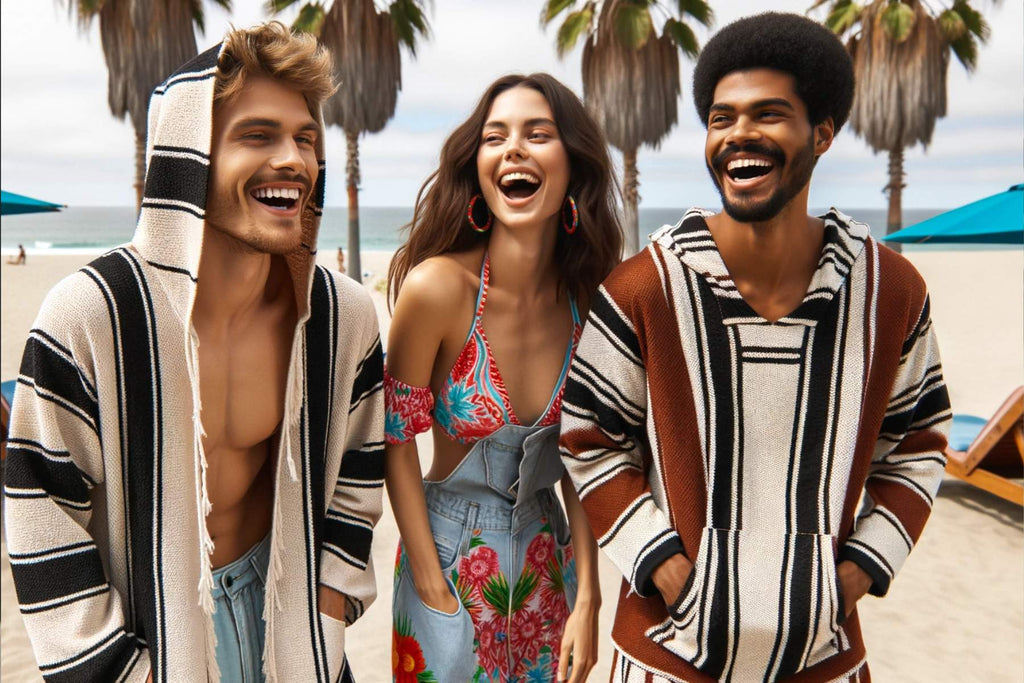
Reviving Retro: How to Incorporate Vintage Styles into Your Modern …
Outfit 3: Evening Date Night – Vintage Slip Dress with Edgy Accessories
Slip into a silky ’90s bias-cut dress, belt it at the waist with a contemporary leather strap, and add strappy heels plus statement earrings. The dress’s fluid drape flatters curves, and the belt cinches for definition—perfect for dim-lit dinners. I once rocked this at a anniversary outing, turning heads with its subtle sexiness.

How to Incorporate Vintage Pieces into Modern Outfits …
Outfit 4: Brunch with Friends – Vintage Skirt Paired with a Cozy Sweater
Team a pleated ’50s midi skirt with an oversized cable-knit sweater tucked in loosely, grounded by ankle boots and a tote. The skirt’s volume brings fun movement, balanced by the sweater’s casual knit—ideal for lazy Sundays. It’s forgiving on breezy days and always sparks compliments from pals.

How to Incorporate Vintage Pieces into Modern Outfits – I am Green …
Outfit 5: Sporty Street Style – Vintage Jacket Over Athleisure
Throw a bomber jacket from the ’60s over a hoodie and leggings, completed with chunky sneakers and a baseball cap. The jacket’s patches add personality to the sporty base, making gym-to-street transitions seamless. This outfit saved me during a rushed travel day, blending comfort with cool factor.
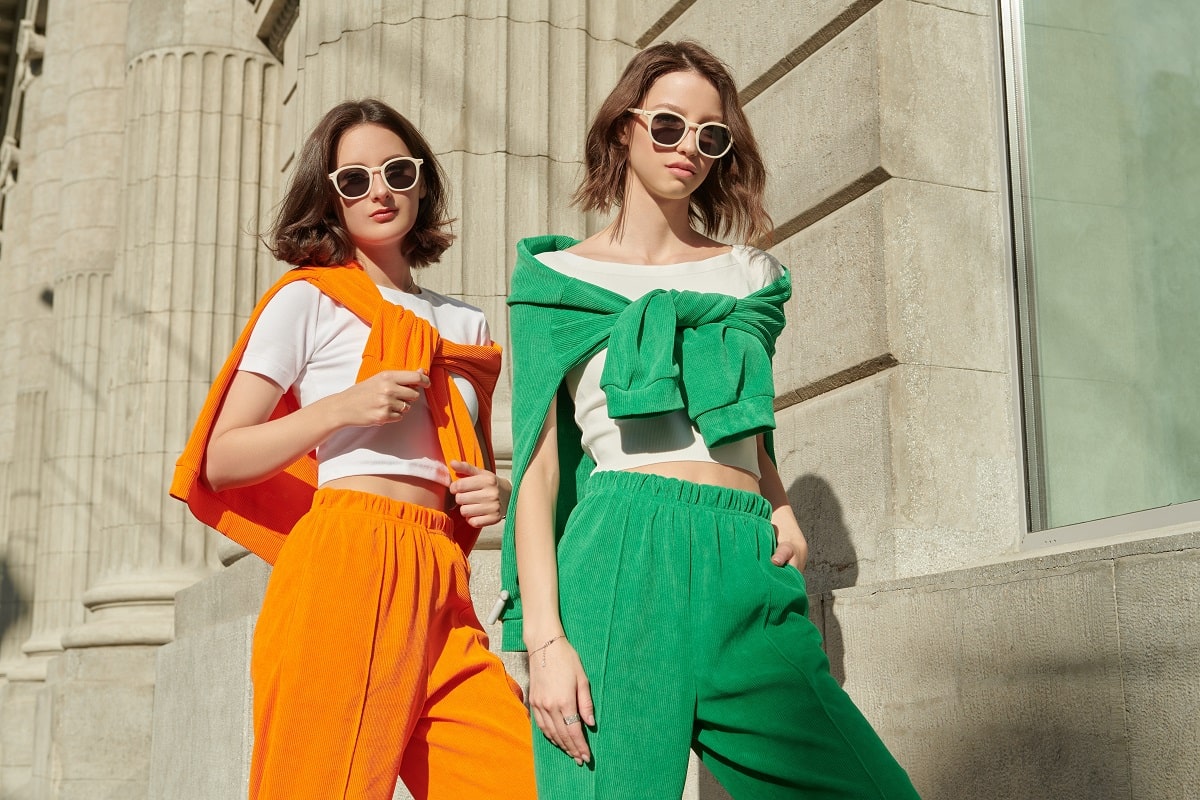
Vintage Country Fashion: Classic Styles to Modern Wardrobes
Outfit 6: Boho Festival Feels – Vintage Scarf as a Headwrap with Maxi
Tie a patterned ’70s scarf around your head, layer it with a flowy maxi dress and sandals, accessorized with layered necklaces. The scarf’s vibrant print elevates the boho essence, keeping the look airy and free-spirited. Festival season? This was my uniform, dancing through crowds with ease.

Retro Fashion Trends: How to Style Each Decade’s Hottest Looks in 2020
Comparing Vintage vs. Fast Fashion: A Quick Breakdown
To help you decide when to go vintage, here’s a side-by-side look at key factors. This table draws from my experiences and industry insights, like those from sustainable fashion sites.
| Aspect | Vintage Fashion | Fast Fashion |
|---|---|---|
| Cost | Often cheaper long-term; thrifts $10-50 | Low upfront; $5-30 but wears out fast |
| Quality | Durable fabrics, hand-stitched details | Mass-produced, prone to pilling/tears |
| Uniqueness | One-of-a-kind pieces | Trendy but everyone has the same |
| Sustainability | Reduces waste, eco-friendly reuse | High environmental impact from production |
| Availability | Hunt required; limited stock | Instant access online/in-store |
For transactional vibes, the best tools for vintage hunting include apps like ThredUp or Vinted—check them for “vintage midi skirts” to replicate Outfit 4.
People Also Ask
Drawing from common Google queries on vintage styling, here’s a section tackling what folks are searching for. These answers blend informational depth with practical tips.
How Do You Start Wearing Vintage Style?
Ease in by picking one piece, like a vintage tee, and pairing it with your go-to jeans. Build from there, focusing on what flatters your shape. Thrift a few items to test waters without commitment—it’s low-risk and fun.
How to Wear Vintage Without Looking Like a Costume?
Mix modern elements: contemporary shoes or minimal makeup keep it grounded. Avoid head-to-toe retro; instead, let one vintage item shine. Tailor for fit, and draw inspo from street style on Pinterest.
What is Considered Vintage Fashion?
Typically, items 20-100 years old qualify as vintage, while older are antique. Eras like ’40s swing dresses or ’80s power suits define it—focus on authenticity via labels or fabric.
Where Can I Find Authentic Vintage Pieces?
Start at thrift stores or online via Etsy and Depop. For verified quality, try boutiques like What Goes Around Comes Around. Local flea markets offer bargains; use apps for alerts.
FAQ
How Do I Care for Vintage Clothing to Make It Last?
Gentle hand-washing or dry cleaning preserves delicate fabrics—avoid hot dryers. Store in breathable bags away from sunlight. For stains, spot-treat with mild soap; I’ve saved many pieces this way.
What’s the Best Way to Mix Vintage with Modern Trends?
Balance proportions: pair voluminous vintage tops with slim bottoms. Use color harmony to tie looks together. Experiment in front of a mirror—it’s trial and error, but rewarding.
Are There Affordable Alternatives to True Vintage?
Yes, reproduction brands like ModCloth offer vintage-inspired pieces at lower prices. Thrift for hybrids or shop sales on ASOS Marketplace for budget-friendly options.
How Can Vintage Fashion Fit into a Minimalist Wardrobe?
Choose versatile neutrals, like a timeless ’60s trench. Limit to multi-use items that layer well. It adds subtle flair without clutter—perfect for capsule wardrobes.
Is Vintage Fashion Suitable for All Body Types?
Absolutely; tailoring makes it inclusive. Focus on cuts that suit you, like A-line skirts for curves. Confidence is key—vintage celebrates diversity in shapes and stories.
Wrapping It Up: Your Vintage Journey Awaits
So there you have it—six outfits that prove vintage isn’t stuck in the past; it’s a fresh take on personal style. From that attic discovery that sparked my love affair with retro to the daily joy of mixing eras, vintage has taught me fashion’s about expression, not perfection. Give it a whirl: hit a thrift store this weekend, style up one piece, and watch your confidence soar. It’s sustainable, unique, and downright fun—plus, in a sea of sameness, you’ll be the standout. If this sparked ideas, dive deeper with our sustainable fashion tips or explore Etsy’s vintage section. What’s your first vintage try? Drop a comment—I’d love to hear.