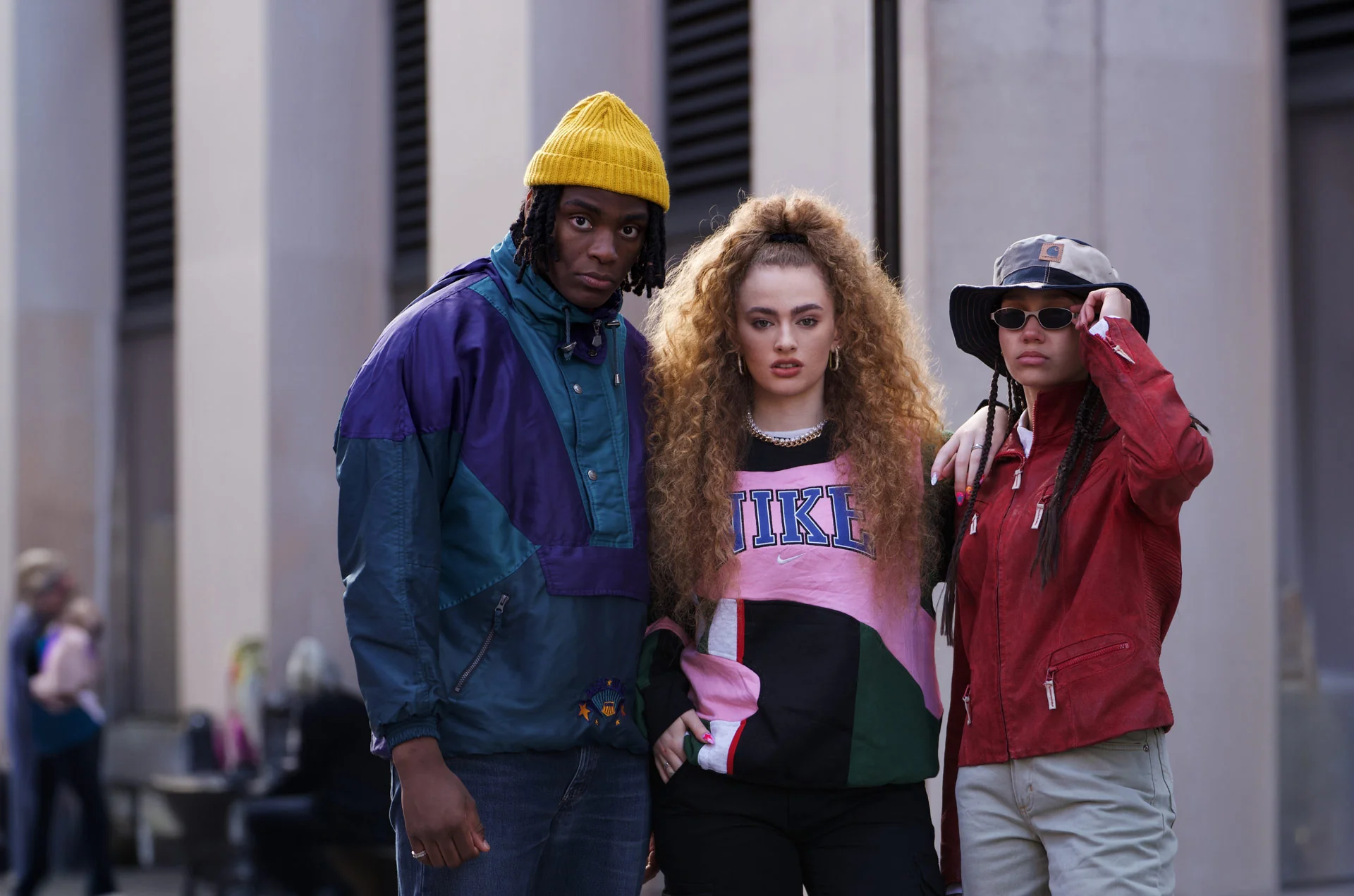
Choosing style over fashion means prioritizing what truly reflects you—your personality, values, and life story—rather than chasing every fleeting trend that hits the runway or TikTok. In a world bombarded with micro-trends that come and go faster than seasons change, opting for personal style built on timeless pieces, especially by blending vintage finds with modern classics, creates outfits that feel authentic, sustainable, and enduring.
I remember my first real “aha” moment with this approach. Back in my early twenties, I was deep in fast fashion, buying whatever was “in” that month—low-rise jeans one season, cargo pants the next. My closet overflowed, but nothing felt like me. Then, at a flea market in Karachi (yes, even here you can score gems), I found a 1980s silk blouse with delicate shoulder pads and a subtle floral print. Paired it with slim black jeans and white sneakers from a local brand, and suddenly the outfit clicked. It wasn’t following a trend; it was telling a story. That blouse still hangs in my wardrobe today, proof that style outlasts fashion.
This blend isn’t just nostalgic—it’s smart. Vintage brings uniqueness and history, while modern classics (think tailored trousers, crisp white shirts, or minimalist sneakers) ground it in today. The result? Looks that turn heads without screaming for attention.
Why Style Beats Fashion Every Time
Fashion is dictated by designers, influencers, and algorithms—it’s loud, temporary, and often expensive to keep up with. Style, though? It’s quiet confidence. It’s choosing pieces that flatter your body, fit your lifestyle, and spark joy when you wear them.
- Sustainability wins — Fast fashion contributes massively to waste; vintage extends garment lifecycles.
- Financial smarts — Invest in quality vintage or classics once, wear forever, skip the constant shopping guilt.
- Self-expression — Trends homogenize; personal style celebrates individuality.
- Confidence boost — When clothes feel like an extension of you, posture improves, conversations flow easier.
Pros of prioritizing style:
- Builds a cohesive, versatile wardrobe
- Reduces decision fatigue (fewer “nothing to wear” days)
- Feels empowering and authentic
Cons:
- Takes time to curate (no overnight capsule)
- Requires experimentation (some outfits flop before they fly)
- Vintage hunting can be hit-or-miss
The payoff, though? Immense. Studies and real-life stories show people who dress for themselves report higher self-esteem and less anxiety over appearances.
The Timeless Appeal of Vintage in Today’s Wardrobe
Vintage isn’t costume—it’s craftsmanship from eras when clothes were made to last. Think structured 1980s blazers with real wool, 1990s slip dresses in buttery silk, or 1970s wide-leg trousers with perfect pleats.
Right now, vintage is hotter than ever. As we move into 2026, expect revivals of 2010s minimalism (Phoebe Philo Céline vibes), 1990s clean lines, and even touches of 1980s power dressing. But the real magic happens when you don’t go full retro—mix it.
One rule I live by: Let one piece lead. Pick a standout vintage item (say, a bold patterned blouse), then surround it with modern neutrals. This keeps things fresh, not costumey.
How to Master Mixing Vintage with Modern Classics
Start simple. Don’t overhaul everything—build gradually.
Step 1: Identify your vintage era Do you gravitate toward 90s grunge, 70s bohemian, or 50s elegance? Knowing helps narrow hunts.
Step 2: Balance proportions Pair a voluminous vintage skirt with a fitted modern top, or an oversized 80s jacket with slim jeans.
Step 3: Stick to cohesive colors Neutrals (black, white, beige) bridge eras effortlessly. Or pull one color from the vintage print into modern accessories.
Step 4: Play with textures Contrast a silky vintage dress with matte modern denim, or leather boots with soft wool.
Step 5: Modernize with accessories Sneakers, minimalist jewelry, or a sleek bag update any vintage piece instantly.
Real example: A friend wore her grandmother’s 1960s tweed skirt with a plain black turtleneck and ankle boots. Vintage charm met modern edge—everyone asked where she shopped.
Comparison Table: Vintage vs. Modern vs. Mixed
| Aspect | Pure Vintage | Pure Modern | Mixed Vintage + Modern |
|---|---|---|---|
| Uniqueness | High (one-of-a-kind) | Low (mass-produced) | Very High |
| Trend Resistance | Excellent | Poor | Strong |
| Sustainability | Top-tier | Variable | Balanced |
| Ease of Wear | Can feel costumey | Safe but boring | Fresh & approachable |
| Cost Long-Term | Low after initial find | High to stay current | Smart investment |
Practical Tips and Outfit Ideas
Here are battle-tested combos I’ve worn or seen work wonders:
- Casual day — Vintage band tee (1990s) + high-waisted modern jeans + chunky sneakers. Effortless cool.
- Office ready — 1980s blazer over a simple white tee and tailored trousers. Power with personality.
- Date night — Vintage slip dress + modern leather jacket + strappy heels. Romantic yet current.
- Weekend vibe — 1970s wide-leg pants + fitted modern crop top + loafers. Relaxed elegance.
Bullet tips for success:
- Alter vintage if needed—hem pants, take in shoulders—for perfect fit.
- Clean and repair pieces; good condition elevates everything.
- Shop smart: Thrift stores, Depop, Etsy, local markets in Karachi like Sunday Bazaar.
- Start small—add one vintage item per season.
Challenges and How to Overcome Them
Mixing eras can feel intimidating. What if it looks mismatched? Or too “old”?
Common pitfalls:
- Too many vintage pieces → costumey.
- Ignoring fit → frumpy.
- Clashing eras without a bridge → chaotic.
Fixes: Always include modern basics as anchors. Trust your mirror and a honest friend. And laugh off the flops—fashion’s supposed to be fun.
I once paired a 1950s dress with sneakers; it felt off until I added a denim jacket. Small tweak, big win.
People Also Ask
How do you mix vintage and modern without looking outdated? Focus on balance: one vintage hero piece + modern staples. Use current silhouettes (like slim jeans or sneakers) to ground retro elements.
Is vintage sustainable? Absolutely—buying secondhand reduces demand for new production, cuts waste, and supports circular fashion.
Where to buy vintage clothes online and in Pakistan? Try Depop, Vinted, Etsy globally. Locally, check thrift markets in Karachi (Zainab Market, Sunday Bazaar) or Facebook groups for preloved.
Can you wear vintage to work? Yes—choose subtle pieces like blazers or blouses, pair with modern trousers and minimal accessories for professional polish.
What’s the difference between vintage and thrift? Vintage typically means 20+ years old (often 1980s+), with collectible value. Thrift is any secondhand, including recent fast fashion.
FAQ
What is the main benefit of choosing style over fashion? It creates lasting confidence and a wardrobe that reflects your true self, not temporary hype.
How do I start building a vintage-modern wardrobe? Begin with one vintage statement piece and pair it with basics you already own. Experiment gradually.
Are vintage clothes expensive? Not necessarily—many gems cost less than fast-fashion equivalents, especially if you hunt smartly.
Does mixing vintage make you look older? No, when balanced with modern cuts and accessories, it looks sophisticated and intentional.
How sustainable is this approach? Extremely—extending garment life reduces environmental impact far more than buying new “trendy” items.
In the end, choosing style over fashion isn’t about rejecting trends entirely—it’s about curating what serves you. Blending vintage soul with modern ease gives you outfits that feel personal, powerful, and timeless. Next time you open your closet, ask: Does this spark joy? Does it feel like me? If yes, wear it proudly. Your style story is yours alone—make it one worth telling.