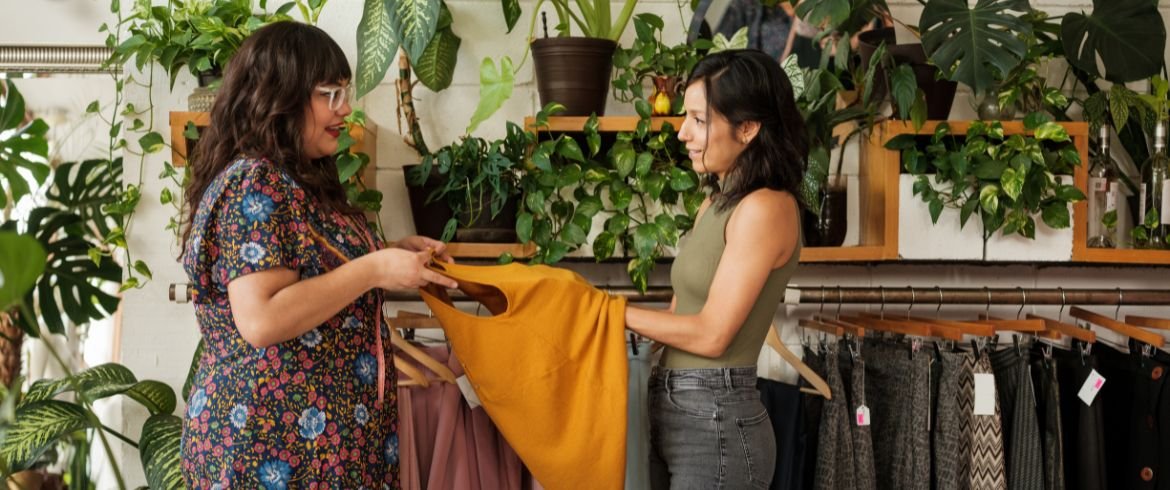
Picture this: I’m rummaging through my closet one rainy afternoon, pulling out an old cotton tee that’s seen better days. It was cheap, trendy for a season, but now it’s faded and frayed after just a few washes. That’s when it hit me—my wardrobe was a graveyard of fast fashion impulse buys. Fast forward a year, and I’ve swapped those flimsy pieces for a few timeless items made from organic materials. Not only do they feel better against my skin, but they last longer, and I sleep easier knowing I’m not contributing to a mountain of textile waste. Eco-friendly fashion isn’t just a buzzword; it’s a quiet revolution that’s blending chic aesthetics with planetary kindness. In a world where style meets responsibility, this movement is proving that looking good doesn’t have to cost the Earth—literally. As we dive into how sustainable practices are reshaping what we wear, you’ll see why ditching disposable trends for thoughtful choices feels like a win for everyone.
What is Eco-Friendly Fashion?
Eco-friendly fashion focuses on creating clothing that minimizes harm to the environment while prioritizing ethical labor and durable design. It’s about shifting from mass-produced items to pieces crafted with care, using resources that don’t deplete the planet. This approach encourages consumers to think beyond the price tag and consider the full lifecycle of their garments.
Key Principles of Sustainable Style
At its core, sustainable style revolves around circularity—designing clothes that can be reused, recycled, or biodegraded without leaving a toxic footprint. It emphasizes transparency in supply chains and fair wages for workers. By embracing these ideas, fashion becomes a tool for positive change rather than exploitation.
The Evolution of Sustainable Fashion
Sustainable fashion has roots in the 1960s counterculture, but it gained momentum in the 1990s with growing awareness of sweatshop scandals and environmental degradation. Today, it’s mainstream, driven by consumer demand for accountability. Brands are now innovating to meet this shift, turning eco-consciousness into a stylish norm.
Historical Milestones in Green Apparel
From Patagonia’s early pledges to recycle gear in the 1980s to the UN’s Fashion Industry Charter for Climate Action in 2018, key moments have propelled the movement forward. These steps highlight how activism and policy are weaving sustainability into fashion’s fabric. Milestones like these inspire ongoing progress toward net-zero goals.
Innovative Materials Redefining Fashion
Gone are the days when eco-friendly meant scratchy or bland—new materials are making sustainable clothes luxurious and versatile. Think fabrics that biodegrade or repurpose waste into wearable art. These innovations are key to reducing the industry’s massive water and carbon footprint.
- Organic Cotton: Grown without pesticides, it uses up to 91% less water than conventional cotton and supports healthier soils.
- Hemp: A fast-growing plant that requires minimal water and no chemicals, yielding strong, breathable fibers.
- Recycled Polyester: Made from plastic bottles, it cuts down on virgin petroleum use and keeps waste out of landfills.
- Tencel (Lyocell): Derived from sustainable wood pulp in a closed-loop process, it’s soft, moisture-wicking, and biodegradable.
- Piñatex: Crafted from pineapple leaf waste, this leather alternative is cruelty-free and supports farming communities.
- Bio-Based Fabrics: Like those from algae or mushrooms, they’re emerging stars for low-impact, high-performance wear.
Comparing Traditional vs. Sustainable Materials
Here’s a quick table to show how these stack up:
| Material | Environmental Impact | Durability | Cost Factor |
|---|---|---|---|
| Conventional Cotton | High water use, pesticides | Medium | Low |
| Organic Cotton | Low water, no toxins | High | Medium |
| Virgin Polyester | Fossil fuel dependent | High | Low |
| Recycled Polyester | Reduces plastic waste | High | Medium |
| Leather | Deforestation, chemicals | High | High |
| Piñatex | Upcycled waste, vegan | Medium-High | Medium |
This comparison reveals why switching materials can slash pollution while keeping style intact.
Leading Brands in Eco-Friendly Fashion
Pioneers like Stella McCartney have set the bar high, proving luxury can be leather-free and planet-positive. These brands aren’t just talking the talk—they’re embedding sustainability into every stitch. From high-street heroes to niche innovators, they’re making green the new black.
- Patagonia: Known for recycled gear and environmental activism, they’ve donated millions to conservation causes.
- Reformation: Chic dresses from deadstock fabrics, with transparent carbon tracking for each item.
- Outerknown: Founded by surfer Kelly Slater, focusing on fair-trade organic cotton and ocean-friendly materials.
- Toad&Co: Organic and recycled apparel that’s adventure-ready, emphasizing ethical factories.
- Stella McCartney: Vegan luxury with innovative alternatives like mushroom leather and recycled nylon.
Where to Find Sustainable Brands
Navigational tip: Start at online hubs like Good On You’s directory or Project Cece for curated ethical shops. Local thrift stores or apps like Depop offer secondhand gems. For new buys, check certifications like GOTS or Fair Trade to ensure authenticity.
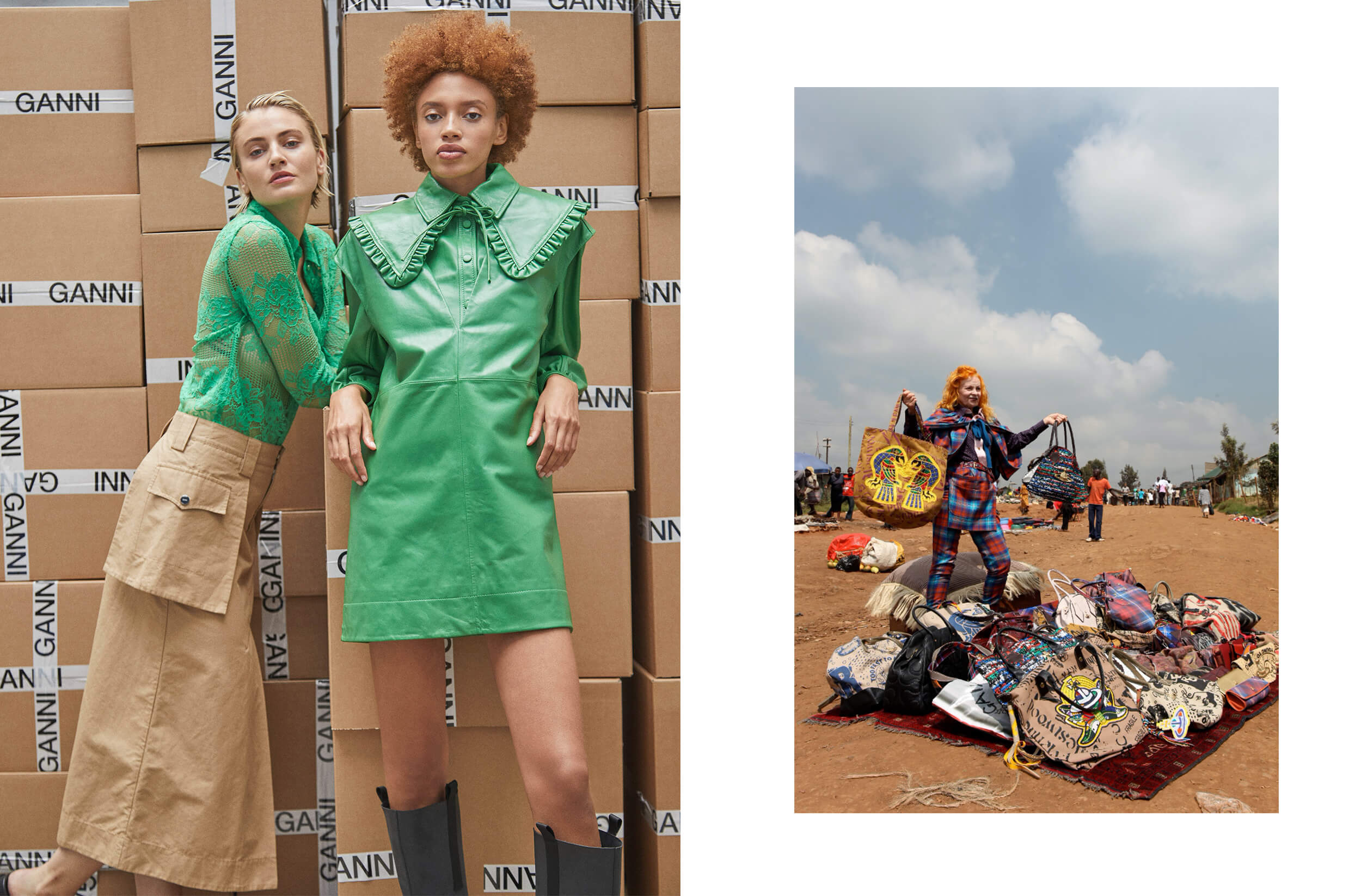
The Green Side: The Most Iconic Sustainable Fashion Campaigns …
Benefits of Choosing a Sustainable Wardrobe
Embracing eco-friendly pieces means investing in quality that outlasts trends, saving you money over time. It’s emotionally rewarding too—knowing your outfit didn’t harm workers or wildlife adds a layer of feel-good flair. Plus, it sparks conversations that spread awareness.
Pros and Cons of Going Green in Fashion
Pros:
- Longer-lasting clothes reduce waste and frequent shopping.
- Healthier for skin with fewer chemicals.
- Supports ethical jobs and biodiversity.
Cons:
- Higher upfront costs can be a barrier.
- Limited styles in some categories.
- Risk of greenwashing from misleading claims.
Despite the hurdles, the upsides make it worth the switch for most.
Challenges in the Sustainable Fashion Industry
While progress is exciting, barriers like high production costs and supply chain complexities slow widespread adoption. Greenwashing—where brands exaggerate eco-claims—erodes trust. Scaling innovations without compromising ethics remains a tough puzzle.
Overcoming Greenwashing and Affordability Issues
To spot real sustainability, look for third-party certifications and detailed supply chain info. Budget-friendly options like renting or swapping clothes help bridge the price gap. Education empowers consumers to demand better.
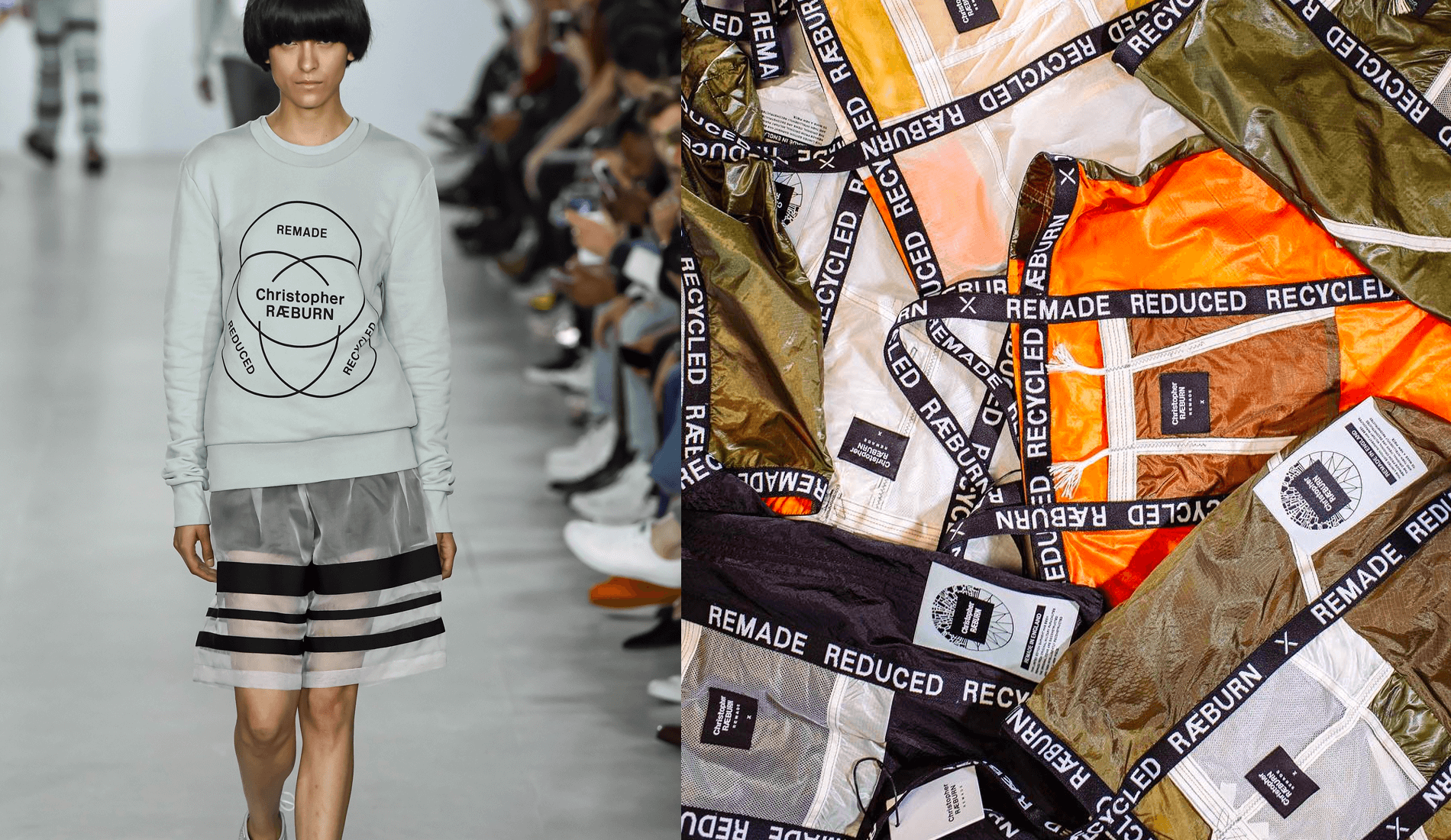
7 Examples Of Leading Fashion Brands’ Sustainability Visions …
How Consumers Can Make a Difference
You don’t need a complete overhaul—start small by auditing your closet and mending what you have. Opt for versatile pieces that mix and match endlessly. Every mindful purchase votes for a cleaner industry.
Best Tools for Building an Eco Wardrobe
Transactional picks: Apps like ThredUp for resale, or Good On You for brand ratings. Wardrobe trackers like Stylebook help maximize what you own. For repairs, kits from iFixit make DIY fixes fun and easy.
People Also Ask
Drawing from common searches, here are real questions people have about eco-friendly fashion, with concise answers.
What is eco-friendly fashion and why is it important?
Eco-friendly fashion uses sustainable materials and ethical practices to reduce environmental harm. It’s vital because the industry contributes 10% of global emissions—switching helps combat climate change and exploitation.
What are some affordable sustainable fashion brands?
Brands like Everlane, Pact, and Quince offer quality basics under $50, using organic fabrics. Thrift platforms like Poshmark make high-end eco pieces accessible at a fraction of the cost.
Is sustainable fashion really better for the environment?
Yes, it cuts water use by up to 90% and emissions through recycled materials and efficient production. Longevity means less waste overall.
How can I start incorporating eco-friendly fashion into my style?
Begin with one swap, like organic tees, and build from there. Mix with existing items for a seamless transition—it’s about evolution, not perfection.
Future Trends in Eco-Friendly Fashion for 2026
Looking ahead, 2026 promises a focus on individual expression over fleeting trends, with bio-based materials like algae fabrics taking center stage. Colors like transformative teal symbolize renewal, while circular models make resale the norm. It’s a blend of boldness and mindfulness.
Emerging Innovations to Watch
Expect more AI-driven custom fits to reduce returns, and regenerative farming for fabrics. Unisex designs and upcycled collections will dominate, making sustainability synonymous with cutting-edge style.
In wrapping up, remember that eco-friendly fashion isn’t about sacrifice—it’s about smarter, more joyful choices. I once joked with a friend that my hemp jeans were “saving the world one strut at a time,” but there’s truth in that humor. By supporting this shift, we’re crafting a legacy of style that’s kind to the planet and its people. Whether through a single purchase or a full wardrobe revamp, your actions ripple out. Let’s make sustainability the ultimate fashion statement.
FAQ
Is eco-friendly fashion more expensive than traditional clothing?
Often yes, due to ethical sourcing and quality materials, but it lasts longer, saving money long-term. Look for sales or secondhand to keep costs down.
What certifications should I look for in sustainable fashion?
Seek GOTS for organic textiles, Fair Trade for worker rights, and OEKO-TEX for chemical-free fabrics. These ensure genuine claims.
Can fast fashion brands ever be truly sustainable?
Some are improving with recycled lines, but core overproduction models clash with sustainability. Support those with transparent reforms.
How does eco-friendly fashion impact climate change?
It reduces emissions by 26% potential if scaled, through efficient processes and durable designs that curb overconsumption.
Where can I recycle old clothes responsibly?
Use programs like Patagonia’s Worn Wear or local textile bins. Apps like For Days offer mail-in recycling for credits toward new eco items.