Picture this: I’m rummaging through a dusty thrift store bin on a rainy afternoon, the kind where the air smells like old books and forgotten memories. My fingers brush against a silky blouse, its fabric whispering stories from another era. Was it from the swinging ’60s or just a clever knockoff from last decade? That moment hooked me on the thrill of vintage hunting. If you’ve ever felt that pull toward timeless pieces that stand out in a sea of fast fashion, you’re in the right place. Recognizing vintage clothing isn’t just about spotting old tags—it’s like becoming a fashion detective, piecing together clues from fabrics, stitches, and styles that transport you back in time. In this guide, we’ll dive deep into the art of identification, drawing from years of my own treasure hunts and expert insights, so you can confidently build a wardrobe that’s as unique as your story. Whether you’re a newbie thrifter or a seasoned collector, get ready to uncover the secrets that make vintage so irresistible.
What Is Vintage Clothing?
Vintage clothing generally refers to garments that are at least 20 to 100 years old, with many experts pegging true vintage at 25 years or more to distinguish it from mere secondhand items. It’s not just about age; it’s the cultural snapshot each piece captures, from flapper dresses of the Roaring Twenties to bold ’80s power suits. Think of it as wearable history—items that have lived lives, survived trends, and now offer sustainable style in a world drowning in disposable fashion.
This definition helps separate vintage from retro (modern recreations) or antique (over 100 years old), ensuring you’re chasing authenticity. Embracing vintage means valuing craftsmanship over quantity, and it’s a nod to eco-friendly living without sacrificing flair. As someone who’s turned a $5 find into a cherished heirloom, I can tell you it’s worth the effort.
Why Bother Recognizing Vintage?
Spotting genuine vintage elevates your style game, turning everyday outfits into conversation starters that blend nostalgia with modernity. It’s also a smart way to invest—rare pieces can appreciate in value, like that ’50s Dior knockoff I once scored for pennies. Plus, in an era of environmental awareness, choosing vintage reduces waste and supports a circular economy, making you feel good while looking great.
The emotional payoff is huge; slipping into a garment with patina feels like connecting to the past, evoking stories of bygone dances or wartime resilience. But beware the fakes—knowing how to recognize the real deal saves you from overpaying for reproductions. It’s empowering, like unlocking a secret society of style-savvy folks.
Essential Tools for Vintage Identification
Before diving into specifics, arm yourself with basics like a magnifying glass for tiny tags, a smartphone for quick researches, and a notebook to jot era notes. Apps like Google Lens can scan labels for instant insights, while resources from the Vintage Fashion Guild provide label databases. Don’t forget a tape measure—vintage sizing runs small, so fit checks are crucial.
These tools turn guesswork into educated hunts, whether at flea markets or online. I’ve lost count of how many times a quick app search turned a “maybe” into a triumphant “yes!” Start simple, and soon you’ll spot vintage from across the room.
Decoding Labels and Tags
Labels are your first clue in the vintage puzzle, often revealing more than meets the eye if you know where to look. Flip the collar or waistband to inspect font styles—script cursive screams pre-1960s elegance, while blocky sans-serif points to ’80s minimalism. Older tags might be woven rather than printed, feeling textured and durable under your fingers.
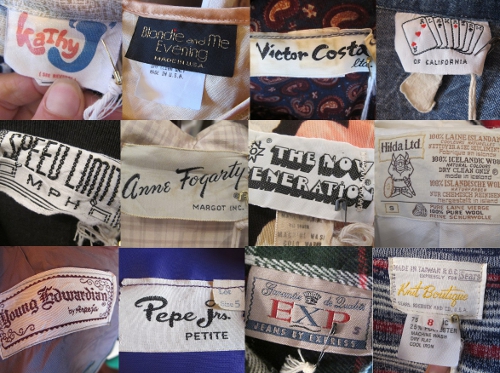
Part II: How to Know It’s Vintage by Labels & Tags – Sammy D. Vintage
Union Labels and Stamps
Union tags, like those from the ILGWU (International Ladies’ Garment Workers’ Union), are goldmines for dating American-made pieces from the 1930s to 1990s. Their designs evolved—red and blue for ’50s, adding “AFL-CIO” post-1955—so matching the logo can pinpoint decades. If you spot one, it’s likely pre-globalization era, adding authenticity and a touch of labor history to your find.
These stamps often hide in seams, so gentle probing pays off. I once found a ’70s dress with a faded union label that confirmed its vintage status, turning a thrift doubt into a wardrobe staple. They’re not foolproof but a strong indicator of quality craftsmanship.
RN Numbers and Copyrights
RN (Registered Number) codes on tags, assigned by the FTC since 1959, help trace manufacturers—lower numbers suggest older brands. Search them on databases like the Vintage Fashion Guild for precise dating. Copyright dates on prints or logos offer another timeline clue, especially for branded items.
No RN? It could predate the system or be international. I’ve used RN lookups to date a mysterious jacket to the early ’60s, feeling like a sleuth cracking a code. Combine with other signs for accuracy.
Fabric Composition and Care Instructions
Pre-1970s tags rarely list care details, as dry cleaning was assumed; their appearance signals newer vintage. Fabric blends like 50/50 cotton-polyester hint at ’70s origins, while pure naturals like silk or wool lean older. Faded or handwritten tags add to the vintage vibe.
This info prevents washing mishaps too—I’ve learned the hard way with a shrunken ’40s blouse. Use it to cross-reference eras, building a fuller picture.
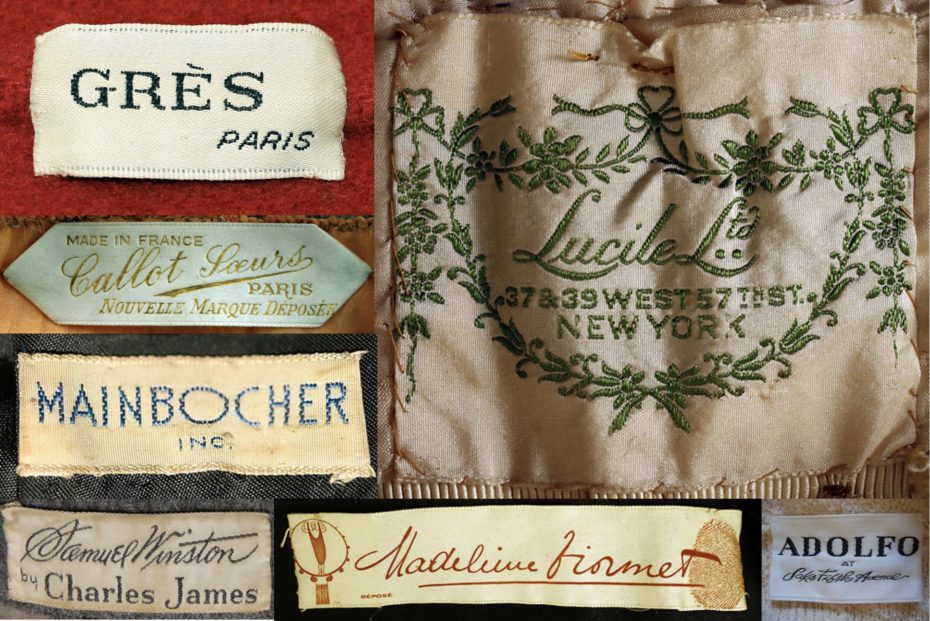
Sleeping in the Archives: The Met’s Forgotten Fashion Brands
Zippers, Buttons, and Fasteners as Time Markers
Zippers tell tales—metal ones with brands like Talon dominate pre-1960s, while plastic or nylon zippers emerged later. Check for pull-tab designs: bulky, engraved ones often mean ’40s-’50s. Buttons might be bakelite (test by rubbing for a vinegar smell) or mother-of-pearl, common in older garments.
These fasteners are subtle but revealing. A dress with a side metal zipper? Likely ’30s-’50s practicality. I chuckled when a “vintage” skirt’s plastic zip outed it as ’90s—humor in the hunt keeps it fun.
Dating Outerwear by zipper design | The Fedora Lounge
Metal vs. Plastic Zippers
Early zippers were clunky metal, evolving to smoother coils by the ’50s; plastic ones post-’60s are lighter but less durable. If it’s rusted or patina-ed, age is showing. Modern repros mimic metal, so pair with other clues.
This distinction saved me from a fake ’20s beaded dress once—plastic zippers didn’t exist then. It’s a quick check that adds layers to your expertise.
Button and Snap Styles
Vintage buttons often feature intricate carvings or materials like glass; snaps might be prong-set rather than sewn. Self-covered buttons match the fabric, a hallmark of custom tailoring in earlier decades.
Feel for weight—real vintage fasteners have heft. My favorite find? A coat with bakelite buttons that clinked like fine china, confirming its ’40s roots.
Fabrics and Materials: Touch and Tell
Vintage fabrics feel alive—natural fibers like cotton, linen, or rayon dominate pre-’50s, with synthetics like polyester blending in later. Rub for texture: older wool itches authentically, silks drape heavily. Musty scents from storage hint at age, though airing revives them.
This tactile approach connects you emotionally—imagine the hands that wove it. I’ve passed on items that felt too “new” plasticky, trusting my senses over labels.
Natural vs. Synthetic Fibers
Pure cottons and wools predate mass synthetics; acetate (a semi-synthetic) appeared in the ’20s. Burn tests (safely!) can confirm—naturals ash, synthetics melt.
Knowing this prevents mix-ups. A “vintage” polyester disco dress? Spot-on for ’70s, but not for ’30s claims.
Patterns and Prints
Bold florals suit ’40s, geometrics ’60s—research era trends. Faded colors from sun exposure add patina, a sign of genuine wear.
Patterns evoke nostalgia; my polka-dot skirt reminds me of grandma’s photos, blending personal with practical.
Stitching and Construction Techniques
Vintage seams are often French or hand-finished, unlike modern overlocking. Single-stitch hems predate double-needle machines of the ’80s. Look for uneven stitches indicating handmade origins.
These details showcase lost artistry. Flipping a garment inside out reveals its soul—I’ve bonded over a ’50s gown’s meticulous seams.
Seam Finishes and Hems
Pinked edges (zigzag cuts) are ’50s onward; raw hems rare in quality vintage. Blind hems add elegance.
This inspection feels intimate, like peeking behind the curtain. It’s where fakes falter, lacking that human touch.
Lining and Interfacing
Full linings in acetate or silk point to luxury pre-’70s; modern ones use cheaper poly. Stiff interfacing might be horsehair, a ’40s staple.
Linings protect and date—my lined wool coat screamed ’60s warmth.
Vintage Styles by Decade: A Visual Timeline
Each era has signature silhouettes: ’20s dropped waists, ’30s bias cuts, ’40s padded shoulders for wartime utility. ’50s cinched waists celebrated femininity, while ’60s shifted to minis and mod. Study photos to match.
This knowledge turns shopping into time travel. I once ID’d a ’70s maxi by its boho flow, evoking festival vibes.

The Timeless Appeal of Vintage Fashion: A Journey Through the Decades
1920s to 1930s: Flappers and Glamour
Straight lines, beading, and low waists define ’20s; ’30s added slinky satins and Hollywood influence. Fabrics flowed freely.
These eras feel liberated—imagine dancing the Charleston in fringe.
1940s to 1950s: Utility to New Look
Rationed fabrics meant shorter hems in ’40s; ’50s exploded with full skirts and petticoats. Shoulder pads persisted.
Post-war optimism shines here, like a twirl in a circle skirt.
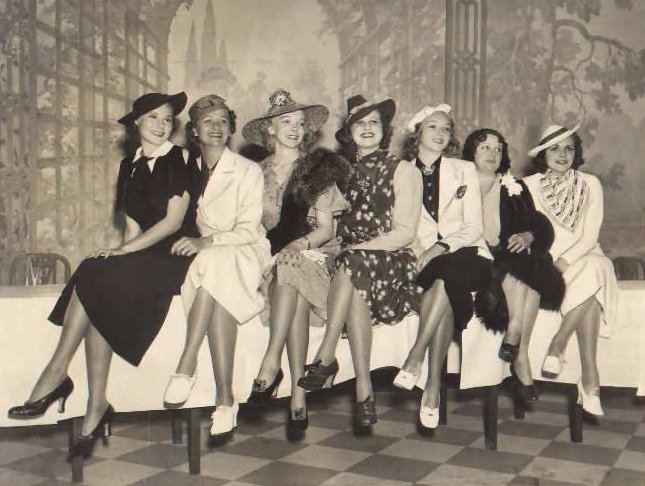
1940s Style Guide – Unique Vintage
1960s to 1980s: Mod to Power
’60s A-lines and psychedelics; ’70s flares; ’80s bold shoulders and neon. Experimentation ruled.
These decades pack personality—my ’80s blazer adds edge to jeans.
| Decade | Key Silhouettes | Fabrics | Fasteners | Example Styles |
|---|---|---|---|---|
| 1920s | Dropped waist, straight | Silk, chiffon | Hooks, snaps | Flapper dresses |
| 1940s | Padded shoulders, A-line | Wool, rayon | Metal zippers | Utility suits |
| 1960s | Mini skirts, shift dresses | Cotton, polyester | Plastic zippers | Mod prints |
| 1980s | Oversized, power suits | Synthetics, denim | Velcro, snaps | Shoulder pads |
Common Pitfalls: Spotting Fakes and Reproductions
Fakes mimic styles but skimp on details—modern stitching or barcodes give them away. Overly perfect condition raises flags; true vintage shows gentle wear. Trust but verify with multiple clues.
I’ve been duped by a “vintage” tee with fresh ink—lesson learned, now I sniff for that aged authenticity.
Vintage vs. Retro: Key Differences
Retro recreates looks with new materials; vintage is original. Retro feels crisp, vintage lived-in.
This distinction keeps your collection pure. Both have charm, but know what you’re buying.
Signs of Modern Reproductions
Bright dyes, uniform sizing, and “distressed” effects that look factory-fresh. Real patina can’t be faked easily.
Humor helps: If it smells like a mall, it’s probably not from grandma’s closet.
Where to Find Authentic Vintage Clothing
Thrift stores, estate sales, and flea markets are goldmines for hands-on hunts—places like Goodwill offer surprises daily. Online, Etsy and eBay shine with verified sellers; apps like Depop connect you to global troves. Local vintage shops curate gems, often with expert advice.
Start local for that tactile joy, then expand digitally. My best finds? A ’60s shift from a garage sale, proving treasures hide everywhere.
- Thrift Stores: Budget-friendly, high variety.
- Vintage Boutiques: Curated, higher quality.
- Online Platforms: Convenient, but check seller ratings.
- Flea Markets: Bargain potential, fun atmosphere.
Best Tools and Resources for Verification
For verification, the Vintage Fashion Guild’s label resource is indispensable—search brands for era info. Vintage Fashion Guild. Apps like WorthPoint appraise values, while books like “Vintage Fashion” by Ottilie Godfrey build knowledge. Join forums like Reddit’s r/VintageFashion for community tips.
These resources boost confidence. I’ve used them to value a ’50s handbag at triple my purchase price—empowering stuff.
- Pros of Using Tools: Accurate dating, value insights.
- Cons: Some require subscriptions, learning curve.
For internal links, check our vintage care guide for maintenance.
Pros and Cons of Collecting Vintage
Pros:
- Unique style that stands out.
- Sustainable choice reducing fashion waste.
- Potential investment as values rise.
- Emotional connection to history.
Cons:
- Sizing inconsistencies—often smaller.
- Wear and tear requiring repairs.
- Higher initial hunt time.
- Risk of fakes without knowledge.
Balancing these makes collecting rewarding. The pros outweigh for me, especially that “aha” moment of a perfect find.
People Also Ask
How can you tell if a garment is vintage?
Look for tags with script fonts, union stamps, and no care instructions—combine with metal zippers and natural fabrics for confirmation. Age shows in patina and construction.
What makes clothing vintage?
Clothing over 25 years old with period-specific features qualifies, emphasizing authenticity over mere age. It’s about cultural and stylistic significance.
How do you date vintage clothing without labels?
Examine zippers, seams, and styles—metal fasteners and hand-stitches suggest older eras. Cross-reference with fashion history books.
What’s the difference between vintage and antique clothing?
Vintage is 20-100 years; antique over 100, often more fragile and collectible. Both treasure history.
FAQ
How old does clothing have to be to be considered vintage?
Typically 25 years or older, though some say 20-100 to include Y2K styles without overlapping current trends. It’s flexible based on context.
Can vintage clothing be machine-washed?
Depends on the fabric—naturals yes, but test first; many prefer dry cleaning to preserve integrity. Always check for colorfastness.
Where can I sell my vintage finds?
Platforms like eBay, Poshmark, or local consignment shops; authenticate first for better prices. Build a story around each piece.
How do I store vintage clothing properly?
Use acid-free boxes, hang on padded hangers in cool, dark places to prevent fading and moths. Cedar blocks help naturally.
Is vintage clothing worth the investment?
Absolutely for rare pieces, but buy what you love—values can rise, but joy is immediate. Research markets.
Wrapping up, recognizing vintage clothing is more than a skill—it’s a passion that enriches your life with stories, sustainability, and style. From that attic discovery to curating my own collection, it’s brought endless joy and a few laughs at missteps. Dive in, trust your instincts, and soon you’ll be the one sharing tips. Happy hunting—may your next find be a timeless gem.