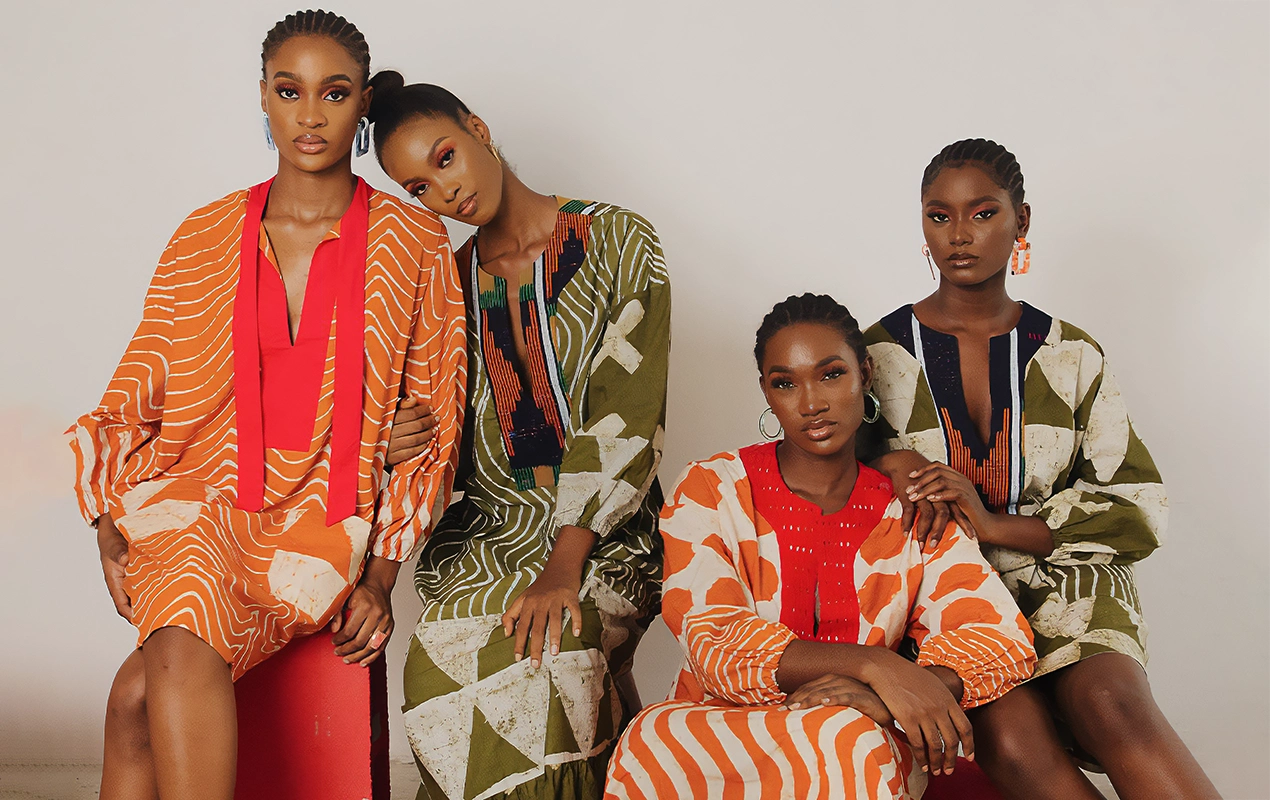
Hey there, fashion lover. Remember that time I stood in front of my overflowing closet, staring at a pile of trendy tops I’d worn exactly once? It was a wake-up call during a rainy spring day in 2023 when I realized half my wardrobe was contributing to the planet’s trash heap. That’s when I dove headfirst into sustainable fashion—not as a trend, but as a lifestyle shift. Fast forward to now, and my outfits adapt seamlessly to every season without the guilt. In this guide, we’ll explore how you can build a wardrobe that’s kind to the Earth, stylish year-round, and surprisingly wallet-friendly. Think eco-friendly layers for crisp falls, breathable organics for steamy summers, and timeless pieces that laugh in the face of fast fashion’s fleeting whims.
What is Sustainable Fashion?
Sustainable fashion is all about creating, wearing, and disposing of clothes in ways that minimize harm to the environment and people. It prioritizes ethical production, like fair wages for workers and using materials that don’t deplete resources. Unlike fast fashion’s churn-and-burn model, this approach encourages quality over quantity, turning your closet into a long-term investment rather than a seasonal purge site.
Key Principles of Sustainable Fashion
At its core, sustainable fashion revolves around three pillars: environmental impact, social responsibility, and economic viability. Environmentally, it means opting for biodegradable fabrics like organic cotton or recycled polyester that reduce water usage and pollution. Socially, brands ensure safe working conditions and no child labor, while economically, it promotes durable items that save you money over time by lasting multiple seasons.
Why It Matters in Today’s World
With the fashion industry responsible for 10% of global carbon emissions, switching to sustainable options isn’t just trendy—it’s essential. It helps combat climate change by cutting down on textile waste, which clogs landfills. Plus, as consumers, our choices pressure big brands to clean up their act, creating a ripple effect for a healthier planet.
Building a Seasonal Sustainable Wardrobe
Creating a wardrobe that flows through seasons starts with versatile basics. Focus on a capsule collection of 20-30 pieces that mix and match, emphasizing natural fibers like linen or wool. This way, you avoid impulse buys and build outfits that transition effortlessly from spring blooms to winter chills, all while keeping your environmental footprint light.
Essentials for Every Season
Every sustainable wardrobe needs multi-purpose items like a classic white button-up in organic cotton or a pair of well-fitted jeans from recycled denim. These staples layer under jackets in winter or stand alone in summer. Add neutral colors—beiges, blacks, and greens—for easy coordination, ensuring your clothes work harder and smarter year-round.
Tips for Layering and Transitioning
Layering is your secret weapon for seasonal shifts; think a lightweight bamboo tee under a hemp cardigan for fall’s unpredictable weather. Roll up sleeves or add scarves to adapt pieces, extending their life across months. Humorously, it’s like giving your clothes a promotion—they go from summer casual to winter warrior without complaint.
Sustainable Fashion for Spring
Spring calls for renewal, so embrace light, breathable fabrics that celebrate the thaw. Opt for floral prints in organic materials that feel fresh and eco-conscious. It’s the season to shed heavy layers, focusing on outfits that bloom with sustainability.
Best Materials for Spring
Linen and Tencel shine here, wicking away moisture while being kind to the Earth. These plant-based fabrics use less water than conventional cotton. Pair them with recycled accessories for a look that’s as green as the budding trees.
Outfit Ideas
- Flowy midi dress in organic cotton, layered with a light cardigan for cooler mornings.
- High-waisted trousers in hemp blend, topped with a bamboo blouse for office chic.
- Sneakers from recycled rubber, completing any casual ensemble with eco-flair.
Sustainable Fashion for Summer
Summer demands outfits that beat the heat without heating the planet. Prioritize airy, moisture-wicking clothes in natural dyes to stay cool and colorful. It’s all about fun in the sun, sustainably.
Ideal Fabrics for Hot Weather
Organic cotton and bamboo are MVPs, offering breathability and UV protection naturally. Avoid synthetics that trap heat and pollute oceans. These choices keep you comfortable while supporting regenerative farming.
Styling Suggestions
Picture a linen shirt dress belted at the waist for beach days, or shorts from upcycled denim with a tank in modal fabric. Add a wide-brim hat from sustainable straw—practical and planet-friendly. My go-to? A bamboo romper that survived a sweltering festival, proving durability with style.
Pros and Cons of Summer Sustainable Pieces
Pros: Lightweight and versatile, reducing the need for multiple buys; often more affordable long-term due to longevity. Cons: Initial cost might be higher; limited bold colors if sticking to natural dyes.
Sustainable Fashion for Fall
Fall’s crisp air invites cozy layers and earthy tones. Sustainable fashion here means warm, transitional pieces that handle the shift from mild to chilly without excess waste. It’s the perfect time for harvest hues in ethical wool.
Fabrics That Transition Well
Merino wool from responsible sources and recycled polyester blends provide warmth without bulk. These materials insulate naturally, ideal for fluctuating temps. They’re also durable, outlasting synthetic alternatives.
Autumn Outfit Inspirations
- Oversized sweater in organic wool over a collared shirt, with ankle boots from vegan leather.
- Midi skirt in Tencel, paired with a turtleneck for layered elegance.
- Scarf from upcycled silk, adding texture and sustainability to any look.
Sustainable Fashion for Winter
Winter fashion sustainably means bundling up in insulating, eco-friendly layers that fend off the cold. Focus on quality coats and knits that endure multiple seasons, turning frosty days into stylish ones.
Warm, Eco-Friendly Materials
Organic wool, alpaca, and recycled down alternatives keep you toasty. These reduce animal harm and environmental strain. Layer them smartly for maximum warmth with minimal impact.
Winter Wardrobe Must-Haves
A tailored coat in recycled wool is essential, as is a chunky knit sweater from ethical sources. Don’t forget thermal leggings in bamboo for base layers. I once braved a snowy hike in such gear, feeling warm and virtuous.
Comparison: Fast Fashion vs. Sustainable Winter Wear
| Aspect | Fast Fashion | Sustainable Fashion |
|---|---|---|
| Durability | Lasts 1-2 seasons | Endures 5+ years |
| Cost | Cheap upfront, frequent replacements | Higher initial, long-term savings |
| Environmental Impact | High waste and pollution | Low carbon footprint, biodegradable |
| Style Versatility | Trendy but dated quickly | Timeless, mix-and-match |
Top Sustainable Clothing Brands for 2026
From my own trial-and-error shopping sprees, I’ve curated brands that deliver on ethics and aesthetics. Patagonia leads with recycled gear, while Reformation offers chic dresses in deadstock fabrics. These picks span budgets, ensuring accessible sustainability.
Budget-Friendly Options
Pact and Kotn provide affordable organics under $50. Their basics are soft, ethical, and perfect for building capsules.
Mid-Range Favorites
Everlane and Outerknown balance price with quality, around $100-200. Transparent supply chains make them trustworthy.
Luxury Sustainable Picks
Stella McCartney and Eileen Fisher invest in timeless luxury, $300+. Vegan and innovative, they’re worth the splurge.
Brand Comparison Table
| Brand | Price Range | Key Focus | Best For |
|---|---|---|---|
| Patagonia | $$ | Outdoor gear | Winter layers |
| Reformation | $$$ | Dresses | Spring events |
| Pact | $ | Basics | Everyday summer |
| Stella McCartney | $$$$ | Vegan luxury | Fall statements |
Challenges and Solutions in Seasonal Sustainable Fashion
Switching seasons sustainably isn’t always smooth—availability can be spotty in some areas. But solutions abound: thrift apps like Depop or local eco-boutiques bridge gaps. It’s about creativity over convenience.
Overcoming Common Hurdles
High upfront costs? Start small with one versatile piece per season. Limited sizes? Brands like Girlfriend Collective offer inclusivity up to 6XL.
Personal Story: My Sustainable Switch
I once splurged on a fast-fashion coat that fell apart after one winter. Switching to a recycled Patagonia jacket? It’s on year three, saving money and sanity. Light humor: My old coat now haunts landfills, while the new one high-fives the Earth.
Where to Shop Sustainable Fashion
Navigational intent covered: Head to online hubs like The Good Trade or Good On You directories for vetted brands. Locally, check thrift stores or eco-markets for unique finds.
Online Retailers
Etsy for handmade, ThredUp for secondhand. These platforms make global access easy.
Brick-and-Mortar Options
Patagonia stores or Reformation boutiques offer try-ons. Support local artisans at farmers’ markets for seasonal pieces.
Best Tools for Building Your Wardrobe
Transactional intent: Apps like Good On You rate brands ethically. Wardrobe trackers like Stylebook help plan outfits seasonally.
Digital Tools
Cladwell app suggests capsules; Depop for swaps.
Physical Resources
Books like “Wear No Evil” guide ethical choices.
People Also Ask
Drawing from real Google queries , here’s what folks are curious about.
What is the most sustainable fashion?
Organic cotton and hemp top lists for low water use and biodegradability.
Is sustainable fashion a trend?
No, it’s a movement; fast fashion’s waste makes it a necessity.
How can I make my wardrobe more sustainable?
Start by auditing: donate unworn items, buy secondhand, choose quality.
What are examples of sustainable fashion?
Brands like MUD Jeans recycle denim into new pieces.
Why is sustainability important in fashion?
It reduces pollution; the industry dumps 92 million tons of waste yearly .
FAQ
How do I start with sustainable fashion on a budget?
Begin with thrift stores or apps like Poshmark. Focus on versatile basics that last, and swap with friends for variety without cost.
What fabrics are best for all-season sustainable wear?
Organic cotton, bamboo, and Tencel work year-round—breathable in heat, layerable in cold. They’re renewable and soft.
Are sustainable brands really more durable?
Yes, often made with higher-quality stitching and materials. My Everlane jeans have outlasted three pairs of fast-fashion ones.
How does sustainable fashion help the environment?
It cuts water use (e.g., organic cotton saves 91% water vs. conventional) and reduces landfill waste through recycling .
Where can I find sustainable fashion for plus sizes?
Brands like Girlfriend Collective and Universal Standard offer inclusive sizing with eco-materials.
In wrapping up, sustainable fashion isn’t about perfection—it’s progress. My journey started with one organic tee, evolving into a wardrobe that fits every season’s mood and weather. You’ll save cash, feel good, and look great. Ready to refresh yours? Dive in, one ethical piece at a time. For more tips, check [internal link to wardrobe guide] or explore Patagonia [external link: https://www.patagonia.com].